

In the 19th century, Manchester was not only the industrial centre of Great Britain but also a fashion leader. It was obvious because, as you know, Manchester was an epicentre of cotton production. Therefore, there were many clothing stores and ateliers in the city. The fashion industry also developed in the city during the Industrial Revolution. 19th-century Manchester was a trendsetter, reflecting the changing lifestyle and aspirations of local residents. Learn more at manchesterka.
An industrial city is an ideal place for the development of fashion
Rainy Manchester became the centre of the cotton industry for a reason, as local wet conditions were ideal for thread production. Thanks to the constantly wet weather, cotton threads were less likely to break. Thus, Manchester became an ideal place for cotton production and the industrial heart of Great Britain. It was Manchester that supplied the whole world with cotton. The city had a wide variety of clothing stores and studios. In the 19th century, the city residents had access to the best fabrics, as well as the best samples of suits and dresses.
Another important feature of 19th-century Manchester’s clothing manufacturing was the transition from traditional hand production to new machine methods.
Manchester’s fashion in the 19th century
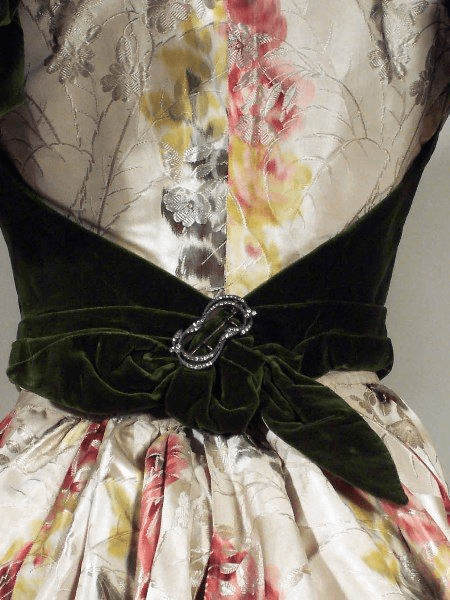
In the early 19th century, the industrial city of Manchester was dominated by the Regency era, also known as the Georgian era. At this time, the residents of the city preferred more elegant and extravagant outfits. The Manchester elite was one of the first in Great Britain to pick up new trends. Girls wore the most elaborate dresses made of luxurious fabrics, such as silk and satin, which were decorated with intricate lace and embroidery. Locally produced cotton remained their favourite. Men preferred tailor-made suits by Manchester’s ateliers. Men’s fashion was dominated by suits with fitted coats, waistcoats and trousers. At the beginning of the 19th century, gentlemen also completed their look with top hats and canes.
As the Industrial Revolution developed, so did Manchester’s fashion industry. It was caused by a constant increase in the needs of the population, including factory workers and manual labourers. Therefore, in addition to elegant, refined and expensive fabrics, an important place in Manchester’s fashion was occupied by practicality. That led to the appearance of utilitarian clothing, specially designed for the comfort of factory workers. Moreover, the cotton mills that were located in Manchester and its outskirts made quality textiles available to local residents.
The second half of the 19th century in Manchester was characterised by the flourishing Victorian era. At that time, the residents of the city preferred diversity. In addition, that era was characterised by the transition from luxurious images to more modest working-class clothes. Women’s fashions featured voluminous skirts, corsets and high-collared blouses, reflecting the then-dominant standards of minimalism and modesty. Men’s fashion was less variable. As it was before, they emphasised formality with coats, waistcoats and ties, which remained the main item of men’s clothing.
Manchester played an important role in the formation of fashion. As a centre of textile production, it influenced the world fashion trends of the 19th century. Manchester’s cotton mills produced vast quantities of cotton and other fabrics that were shipped all over the world. It not only contributed to the economic growth of the city but also strengthened its position in the fashion industry on the world stage.
An echo of old Manchester’s fashion in the 21st century
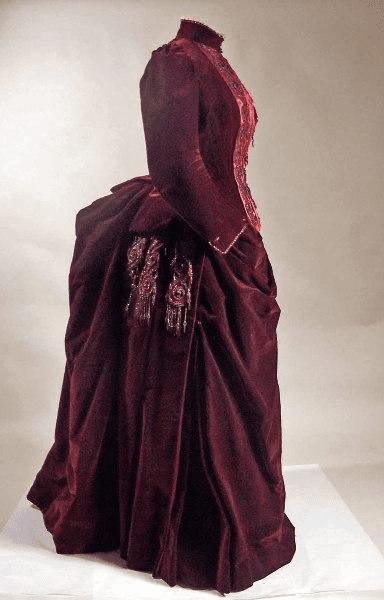
It should be noted that Manchester held an important place in the fashion industry not only in the 19th century but also in the 20th century. This sphere is very closely intertwined with the growth and development of the cotton industry. Although Manchester isn’t the industrial centre of the country in the 21st century, it still employs around 5,000 people in textile production. After all, cotton production and fashion are an integral part of Manchester’s history.
Walking through the streets of modern Manchester, you can come across a vintage shop selling a cotton shirt or dress that was made here a long time ago.
Fashion in 19th-century Manchester was a dynamic reflection of its industrial progress as well as social change and diverse cultural influences. Urban fashion has always kept up with the times. In the 19th century, Manchester fashion went through a huge cycle of transformation from the elegance of the Regency era, dominated by elaborate outfits, to the practicality of the Victorian era, dominated by modest looks. Manchester’s fashion industry reflected the diverse needs and aspirations of its residents. Those fashion trends have remained on the pages of the city’s history forever. In particular, you can learn more about the urban fashion of the 19th century in local museums, as well as in Manchester Art Gallery.