

Manchester is globally renowned for its industrial heritage—a legacy that has transformed the city into a modern hub of innovation and entrepreneurship. From fashion and technology to property development and e-commerce, Manchester’s companies are significantly shaping the growth of this metropolis.
Brands born or based here have successfully blended historical tradition with the creativity of modern artists and entrepreneurs. The city’s storied economic history as “Cottonopolis”—so named for its dominance in the textile industry—laid the groundwork for the emergence of diverse brands now recognised worldwide. This legacy provided not just new industrial technologies, but companies that have become iconic in their respective fields. Further insights can be found on manchesterka.
Industrial Heritage
Before diving into Manchester’s most famous modern brands, it is essential to understand the historical context that paved the way for their success. During the 19th century, the city was the global centre for cotton fabric production, processing, design, and trade. Manchester was considered one of the world’s first true industrial cities, where the cotton industry exploded in scale. This drove rapid urban expansion, placing the city at the heart of vast new manufacturing networks. Mechanical innovations and multi-storey mills were developed to produce fashionable cotton fabrics for sale across the globe. It was an era where industry intertwined with science, kickstarting significant urban development.
Unofficially, this hub of the cotton industry was dubbed “Cottonopolis”—a city that established principles of production, commerce, and labour organisation that would evolve into new business models decades later. However, innovation and profit ran parallel to inequality and the exploitation of factory workers. Furthermore, cotton was often sourced from regions utilising slavery and forced labour. The consequences of unchecked production growth were severe, leading to overcrowding and pollution, which eventually sparked various campaigns and methods to resolve the challenges faced by the industrial city.
Key elements of Manchester’s heritage:
- Textile Mills and Warehouses: The city became the heart of cotton production, with mills and warehouses providing jobs and international trade links. The textile sector formed the foundation for future fashion brands.
- Fabric Innovation: The city boasts a history of producing gabardine and waterproof cotton used for military clothing. Technical innovations included mechanical looms, steam engines, and new methods of mass production.
- Local Outerwear Manufacturing: From the 1850s, factories produced garments for the army and wealthy clients.
- Sportswear Roots: The region birthed sports football kits made from cotton, and later, synthetic materials.
- Transition from Mills to Brands: Following the decline of heavy industry, factories were converted into offices, creative hubs, and design studios. This facilitated the formation of companies that merge history with modern marketing.
Modern Identity
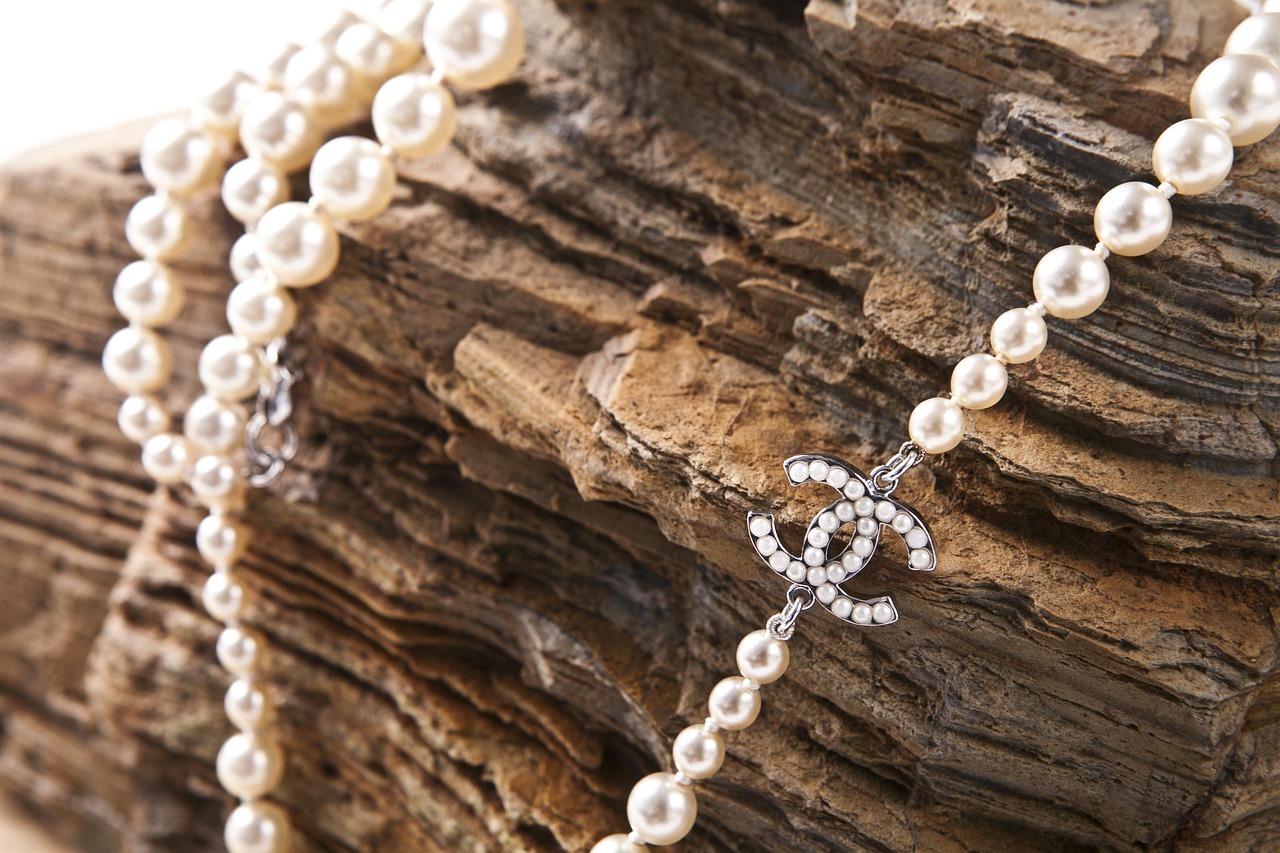
Today, Manchester represents a fusion of historical heritage and innovative enterprise. Local brands are shaping the city’s reputation through their products and participation in various initiatives. In recent years, the metropolis has seen the rise of some of the fastest-growing modern brands, such as Adanola, Represent, and Nadine Merabi. The city has also hosted major fashion events from international powerhouses, including the Fila x Haider Ackermann show in 2022 and the prestigious Chanel Métiers d’Art show in 2023.
Manchester companies actively leverage digital platforms, global markets, and creative concepts to expand their reach and recognition. The city also holds significant ambitions regarding a Manchester Fashion Week, with local brands currently in talks to determine if the ground is fertile for such a venture. The city is rapidly becoming a cultural centre and a highly desirable place to live.
In the 2000s, Manchester became famous for ultra-fast fashion following the launch of Boohoo (2006), Missguided (2009), and PrettyLittleThing (2012). These brands attracted customers with low price points and rapid speed-to-market strategies. Although the city attracts high-fashion talent, e-commerce and sportswear—casual daily fashion—remain dominant. It is worth noting that the Manchester Fashion Institute at Manchester Metropolitan University is considered one of the largest fashion schools in the UK, training over 1,800 students who aspire to become the next generation of designers.
Clints
The streetwear brand Clints was born right here in Manchester. The developers drew inspiration from urban energy to create an unpretentious style. Their most popular items include trousers, jackets, t-shirts, bomber jackets, and footwear. Every detail of the clothing, from the silhouette to the graphics, is focused not just on comfort, but on conveying urban energy, style, and originality. The clothing is designed to blend with the fashion of specific eras while easily fitting into an individual’s personal style.

Highlights of Clints clothing:
- Footwear: Manufactured with premium uppers, durable soles, and striking silhouettes.
- Jackets: Designed using genuine wool and leather, embellished with the Clints patch.
- Joggers and Shorts: Highly popular thanks to heavy fleece blends with cotton and reverse-stitch construction.
- Rain Protection: Nylon models, particularly jackets, are incredibly comfortable in any weather thanks to special materials and mesh lining.
- Diverse Materials: Mohair and sheepskin are used for jumpers and hats to improve heat retention.
Umbro
One of the most famous British brands with its headquarters in Manchester is Umbro. Founded in 1924 by brothers Harold and Wallace Humphreys, it is considered an icon of football apparel. Initially, they produced football shirts for local teams, but the company’s major debut came in 1934 when both Manchester City and Portsmouth wore kits designed and manufactured by Umbro in the FA Cup final. Until the mid-1980s, they produced only clothing and socks, without a footwear line. In 1985, Umbro introduced their first football boots to the Brazilian market, and two years later, mass production began internationally. Gradually, they transformed into a global brand present in over 100 countries.

Production has expanded, and today the firm specialises in rugby and football kits, equipment, and accessories. Virtually everyone recognises the famous “double diamond” logo, which has become a symbol of quality sportswear worldwide. It remains a highly popular brand, worn by aspiring players and professional athletes alike.
Bench
Bench is a major British streetwear brand founded in Manchester in 1989, now operating for over 30 years. It all began with the creation of graphic t-shirts inspired by skateboarding culture. Later, the range expanded to include jackets, jeans, and other urban apparel. Bench fashion is associated with urban functionality, drawing inspiration from city life. This culture led many VIPs from the music scene—such as Lady Gaga, Robbie Williams, Liam Gallagher, and bands like the Fun Lovin’ Criminals—to introduce the brand to a global audience.

The company’s founders are committed to planetary responsibility; in their esports line, customers will find only cotton uniforms from certified organic farming. The entire supply chain is vetted for environmental and social standards. Thanks to modern manufacturing standards and the use of harmless chemicals and materials, the brand guarantees product decomposition and recyclability.
Regarding clothing lines, customers can choose from t-shirts, shorts, trousers, sweatshirts, and dresses. Collections are available for both men and women, offering a wide selection. Today, Bench is sold in many countries around the world and is renowned for its streetwear.
JD Sports
It is no secret that Manchester attracts many creatives and fashion designers, rivalling London’s entrepreneurs. One of the city’s prominent brands is JD Sports—a global chain of sports clothing and trainers. It originated in Bury (Greater Manchester) in 1981. Two years later, a store opened in the Arndale Centre, and the company scaled rapidly. Today, they boast thousands of stores worldwide and a vast inventory ranging from their own branded lines to popular international marques.

They truly represent British multinational sports fashion that appeals to a diverse demographic. For instance, their trainers are considered a cultural staple, used for far more than just running. A key strength of the brand is its exclusive product lines. They work closely with Nike, Adidas, Puma, and New Balance, a strategy that further popularises sports fashion. Hoodies, joggers, and trainers have become incredibly popular as these items have quickly transitioned from gyms to offices and social outings.
Their innovative digital developments, such as their mobile app, loyalty schemes, and personalised data usage, have also been successful in attracting customers. Social networks like TikTok and Instagram are central to their strategy, serving as key platforms. Furthermore, JD Sports collaborates with famous athletes and influencers to launch bespoke campaigns. In their stores, shoppers can find the most attractive clothing and footwear models from global giants. The representatives know how to see the world through their customers’ eyes, understanding exactly what buyers want and partnering with the best in the business.
Represent
The fashionable British brand Represent was founded in 2011 by brothers George and Mike Heaton in Bolton, Greater Manchester. It began as a college project when founder George Heaton realised he could sell his own art in the form of graphics on clothing. He started by sourcing garments and screen-printing his own designs, with the brand name coming from writing down 15 random names on a piece of paper. The first clothing was released a year later, alongside the launch of online sales which kickstarted their immense popularity. Capital was built up, allowing for experimentation with more designs and production processes.

The company creates clothing in a retro-Manchester style, and their collections of hoodies, t-shirts, and trainers are regularly showcased in the world’s famous fashion venues, including Milan and New York. Since its launch, the brand has collaborated with high-profile celebrities such as Justin Bieber, the Kardashians, and Liam Gallagher.
Manchester residents are proud to host a retail store for the brand, offering a great opportunity to acquire retro-inspired pieces that are showcased on international stages. Every item is considered a British luxury label product, the result of meticulous design and manufacturing processes. The popular streetwear appeals to both the youth and older generations who enjoy feeling contemporary.
Private White V.C.
Considered a true legacy of the old “Cottonopolis”—Manchester’s past as a textile capital—is Private White V.C. This is a manufacturer of premium outerwear and arguably the last distinct clothing factory in the city producing genuine handmade goods. Founded in 1853 on the banks of the River Irwell, every coat model is hand-cut, sewn, and finished by skilled craftsmen, many of whom have worked there for decades.
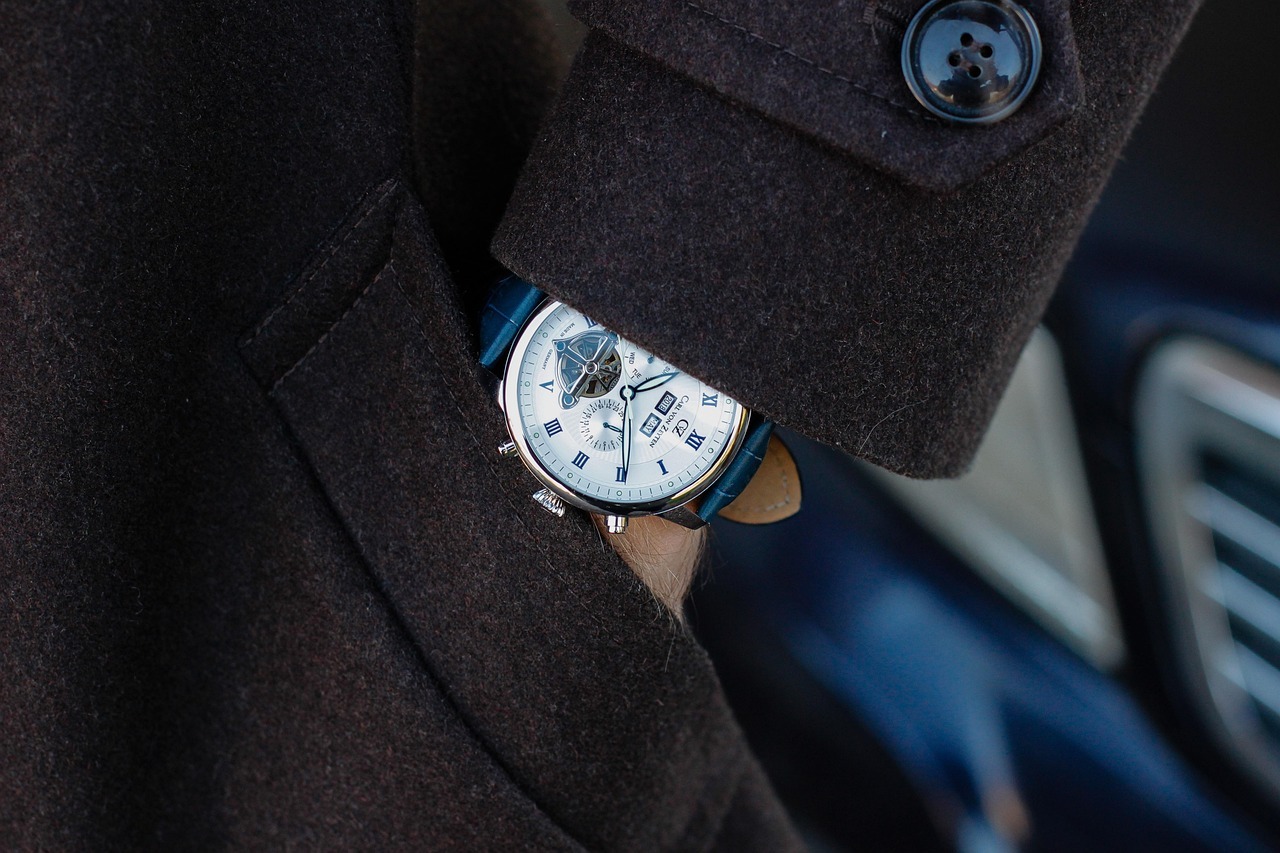
Notably, 90% of materials are sourced within a 20-mile radius, and the brand collaborates only with reputable British mills. Every coat meets the highest quality standards. Even the smallest details, such as zips, buttons, and fasteners, are symbols of the courage of the founder, Jack White, who was a soldier in the British Army. Every seam, stitch, and garment testifies to true British craftsmanship and military precision. The clothing features unique patterns, and for each, there exists a corresponding specification and costing sheet dating back to the 1930s. The main source of inspiration remains military apparel, designed to be functional and comfortable. Manchester residents aspire to own an original handmade coat from this label.
The Private White V.C. store is located in a 19th-century building, demonstrating the brand’s dedication to British manufacturing and its deeply rooted identity with Manchester. Factory specialists produce quality casual menswear, including lines of military and vintage models. For those interested in fashion and the textile industry, the Private White V.C. factory shop is a must-visit.
Boohoo
The famous modern brand Boohoo personifies Manchester’s transition from an industrial metropolis to a fashion centre. Created in 2006, the company became one of the leaders in British online clothing retail for young people within just a few years. The main highlight of such online fashion was its rapid reaction to fashion trends.
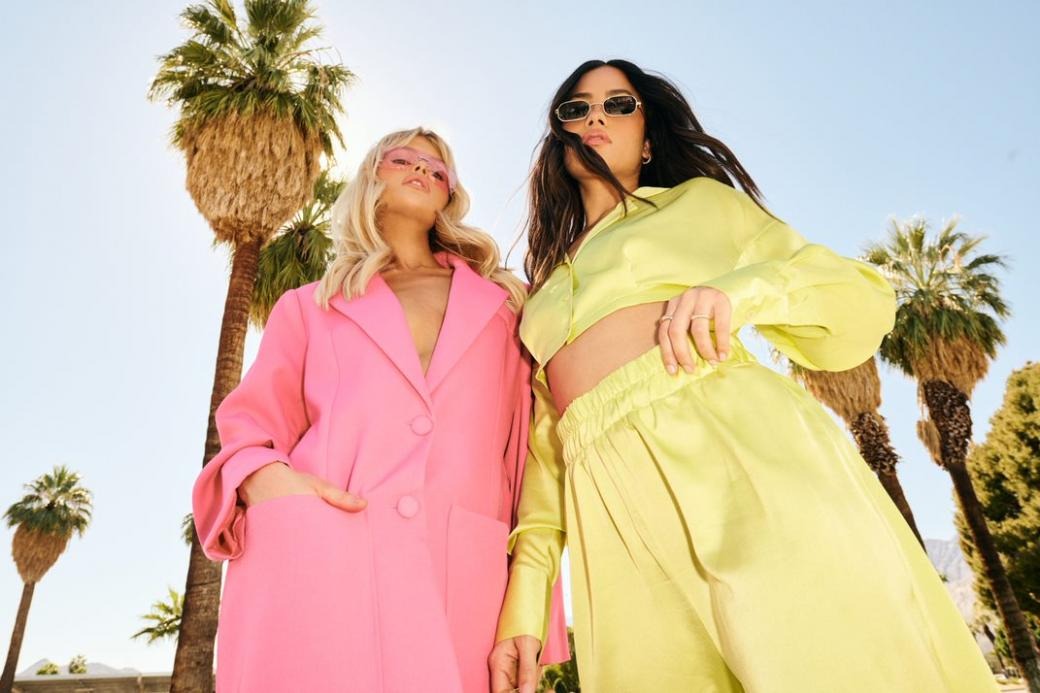
Boohoo Group quickly transformed into a fashion holding company, incorporating brands such as Boohoo, BoohooMAN, PrettyLittleThing, Karen Millen, and Debenhams. The headquarters are located in Manchester, highlighting the city’s vital role in the British fashion industry.
In 2025, the parent company Boohoo Group rebranded to Debenhams Group, reorganising the department store brand they purchased three years prior. Despite these changes, the Boohoo brand continues its operations alongside the other fashion labels in the group. They continue to sell under the same name as a separate line within the companies forming the Debenhams Group.
Lavish Alice
The Manchester fashion brand Lavish Alice quickly gained recognition for its chic and effortless womenswear. Founded in 2013, it perfectly combines modern trends with timeless style. The brand’s pieces help provide women with versatile wardrobe elements, and all models are perfectly thought out to fully satisfy women searching for quality and stylish looks.
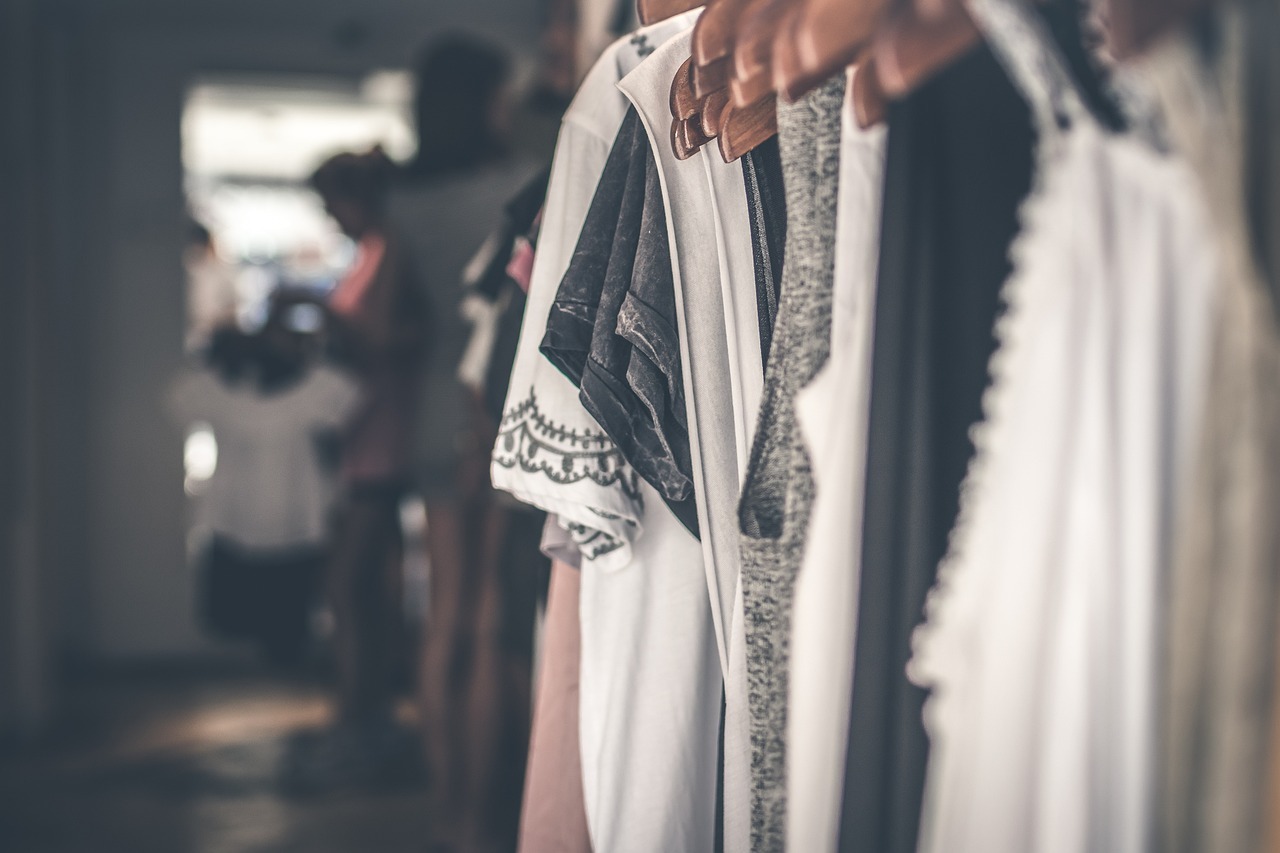
The brand’s collections are created to give women a sense of confidence and elegance, ranging from dresses to outerwear. Premium fabrics, attention to detail, and impeccable tailoring define every piece. The brand also engages celebrities for collaborations. For example, in 2015, actress Lindsay Lohan participated in creating a collection for the brand, which drew significant attention to the Manchester fashion scene.
Manchester is home to many companies that have founded their own successful brands. Some possess a century of history, while others are modern enterprises rapidly gaining international acclaim. All of this serves as a vivid example of how the city successfully transforms its economy and inspires brands to create beautiful clothing. Such success helps bridge local identity with global ambition.
Source:
- https://uk.finance.yahoo.com/news/boohoo-group-rebrands-debenhams-overhaul-081254477.html?utm_source
- https://aboutmanchester.co.uk/british-luxury-streetwear-brand-represent-comes-home-to-manchester/?utm_source
- https://www.vogue.com/article/is-manchester-the-next-big-fashion-city
- https://www.britannica.com/place/Manchester-England/Evolution-of-the-modern-city
- https://www.scienceandindustrymuseum.org.uk/objects-and-stories/worlds-first-industrial-city