

Manchester is widely considered the UK’s second fashion capital, right after London. The local fashion scene is gaining immense popularity, fueled by a history where trends were born not on catwalks, but in factories, on the streets, and within working-class neighbourhoods. While not everyone views the local style as “glamorous” in the traditional sense, Manchester fashion has always mirrored the city’s gritty, industrial character.
Today, Manchester attracts artists and entrepreneurs alike, solidifying its position as a creative hub. The city is experiencing a true renaissance as a capital of the fashion industry. Read on to discover more manchesterka.
A Stitch in Time
Manchester’s rise as a fashion powerhouse is inextricably linked to its past as an international hub of the textile trade in the 19th century. In 1781, the city saw the creation of the world’s first steam-powered textile mill. Later, massive factories and warehouses sprang up, transforming Manchester into “Cottonopolis”—a cotton spinning centre that produced a significant portion of the world’s textiles.
However, the industry suffered greatly during the First World War. Supplies dwindled, workers sought alternative employment, and mills began to close as cheaper alternatives to British cotton flooded the market. In an effort to save the industry, one of the first major fashion shows was held in Manchester in 1951. The concept took root, showcasing fascinating late-century pieces, from ball gowns to sharp men’s tailoring. Select items from those 1950s “Cotton Board” shows are now preserved at the Gallery of Costume in Platt Fields Park.
Subculture and Street Style
By the 1980s, the cotton mills had closed their doors, though the buildings themselves would later find new life. During this era, Manchester-born designers like Henry Holland and Matthew Williamson managed to break onto the global stage. Simultaneously, fashion shifted dramatically—moving from classic suits to baggy jeans. The streets were filled with flared denim, button-down shirts, and hippie-style tops, often accessorised with the iconic bucket hat. Designers began an interesting experiment, blending traditional cotton with a rebellious, anti-establishment aesthetic.
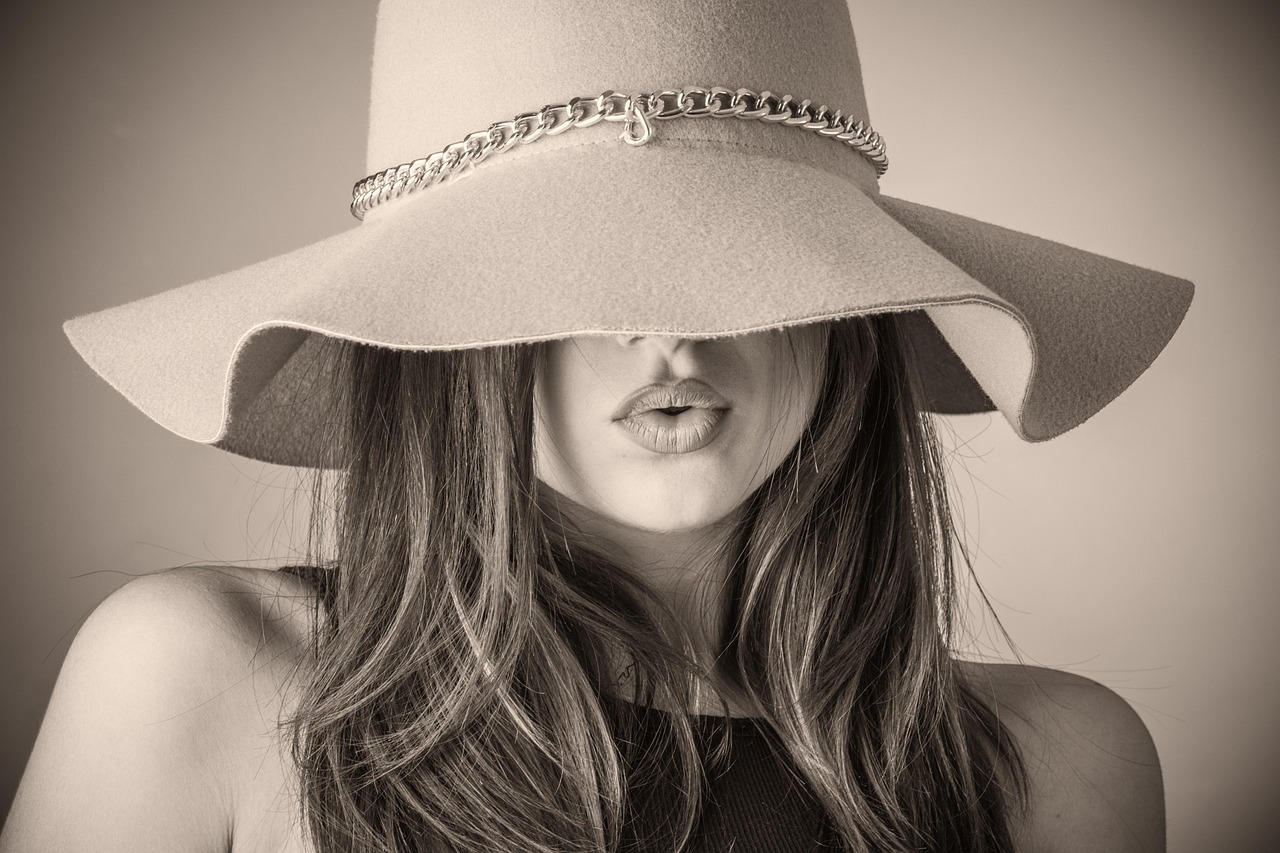
In the latter half of the 20th century, Manchester began influencing fashion again, this time through youth subculture. From Punks to the “Madchester” movement of the late 80s and 90s, a unique style emerged blending sportswear, denim, vintage finds, and high-street collections.
It is worth noting that bands like The Stone Roses and Happy Mondays set the tone for local fashion. The street became the primary source of inspiration for celebrities, actors, and couturiers alike.
Modern Manchester Fashion
In the 21st century, Manchester has evolved into one of the UK’s largest tech hubs outside London. This boom led to city-wide growth and job creation, paving the way for fashion-focused startups. The sector is now a strong economic driver, accompanied by a surge in local design talent. The city’s fashion landscape is now a mix of elite couture, independent labels, and massive e-commerce giants.
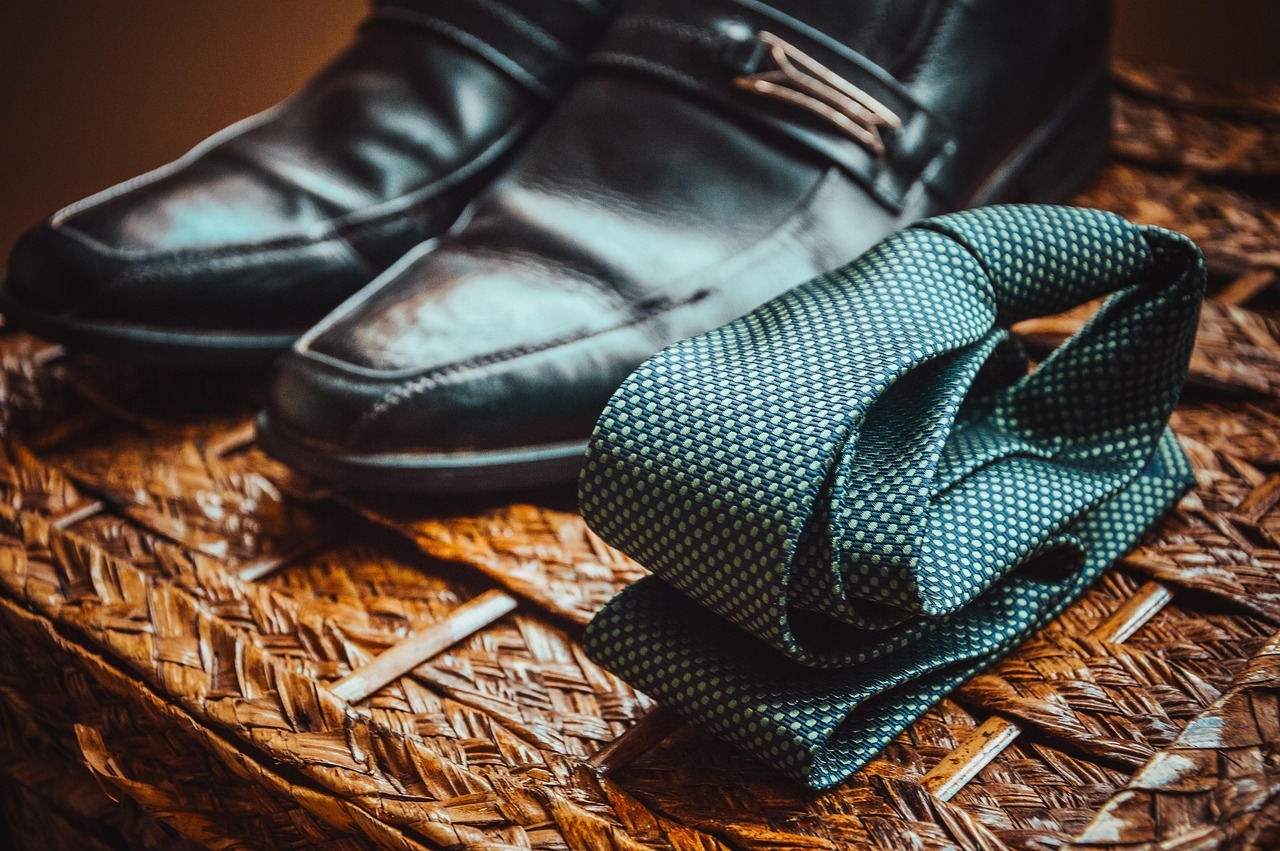
The speed at which new brands achieve success here is staggering. Take Boohoo, for example: founded in the city in 2006 with a focus on a young audience, it now boasts over 11 million Instagram followers worldwide. Furthermore, they acquired another Manchester-based giant, PrettyLittleThing, which commands an audience of over 17 million on Instagram. This success marks a new era for independent brands that engage directly with customers through social media.
More recently, the city hosted the prestigious Chanel Métiers d’Art show, which took place on the cobbled Thomas Street in the Northern Quarter, featuring model Karen Elson. It marked a significant shift in the fashion industry’s gaze, acknowledging creativity beyond London. Models used the street as a catwalk, with a backdrop of trendy bars and boutiques, while a canopy protected the A-list guests from the Mancunian rain. It was a perfect blend of history, fashion, and street culture—a moment when Chanel truly celebrated the city.
Fashion Education
The city is also home to the Manchester Fashion Institute, which promotes a culture of professional development within the sector. Their courses cover a broad spectrum of the industry, from fashion design to business and product development. With a focus on research, innovation, and impact, students thrive in an environment that allows creative potential to flourish. The institute attracts ambitious individuals striving to become leaders, placing a high value on authenticity rather than blindly following trends.
Ultimately, the history of Manchester’s vibrant fashion scene is a story about people striving for self-expression. From factory floors to designer labels, it is the city’s individuality—born from street life—that makes Manchester fashion truly unique.