

On a September evening in 1880, a rather extraordinary, one might even say audacious, party took place at the Temperance Hall in Hulme, Manchester, masquerading as a fancy dress ball. Dozens of men, many cross-dressed as women, gathered to enjoy themselves and keep their disguise a secret. But then, as now, such a sensation was impossible to contain. A local detective received an anonymous tip-off and decided to check what was happening behind the curtained windows. He observed the hall from the roof, saw the guests dancing and making merry, and then entered inside, giving the password “sister.” That night, he arrested 47 men – 22 of them were wearing women’s dresses. More on this below, manchesterka.com.
Dancing Undercover: Who Was There and Why?
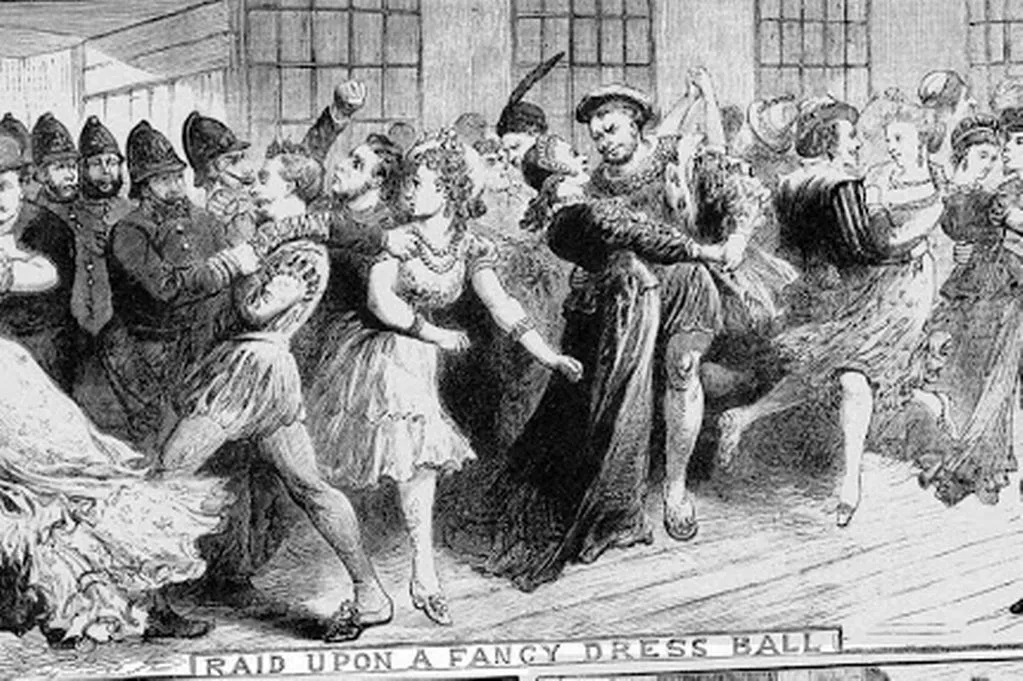
The attendees of the ball were predominantly men from various social strata. Some were residents of Manchester, while others travelled from as far as Sheffield. They paid to participate, brought their costumes in boxes, and took elaborate measures to keep the event secret: windows were blacked out, curtains drawn, and the hall was transformed into a space hidden from prying eyes.
Inside, a blind harmonium player from Manchester named Mark Letcher, who was unaware of the impending raid, was playing. The participants danced Scotch reels, high-kicks in the style of the can-can, and other “grotesque dances” – performances that, in the Victorian understanding, were provocative when combined with cross-dressing and same-sex company. Some attendees retreated to side rooms, while others tried to remove their costumes when the police interrupted the dance.
What prompted the event? Perhaps the freedom of masquerade, perhaps social connections related to the queer community, or a simple human desire for play, self-identification, and visibility in secrecy. At a time when homosexual relations were considered a crime, the ball was an act of defiance, community, and hidden resistance.
The Rise of Drag Culture
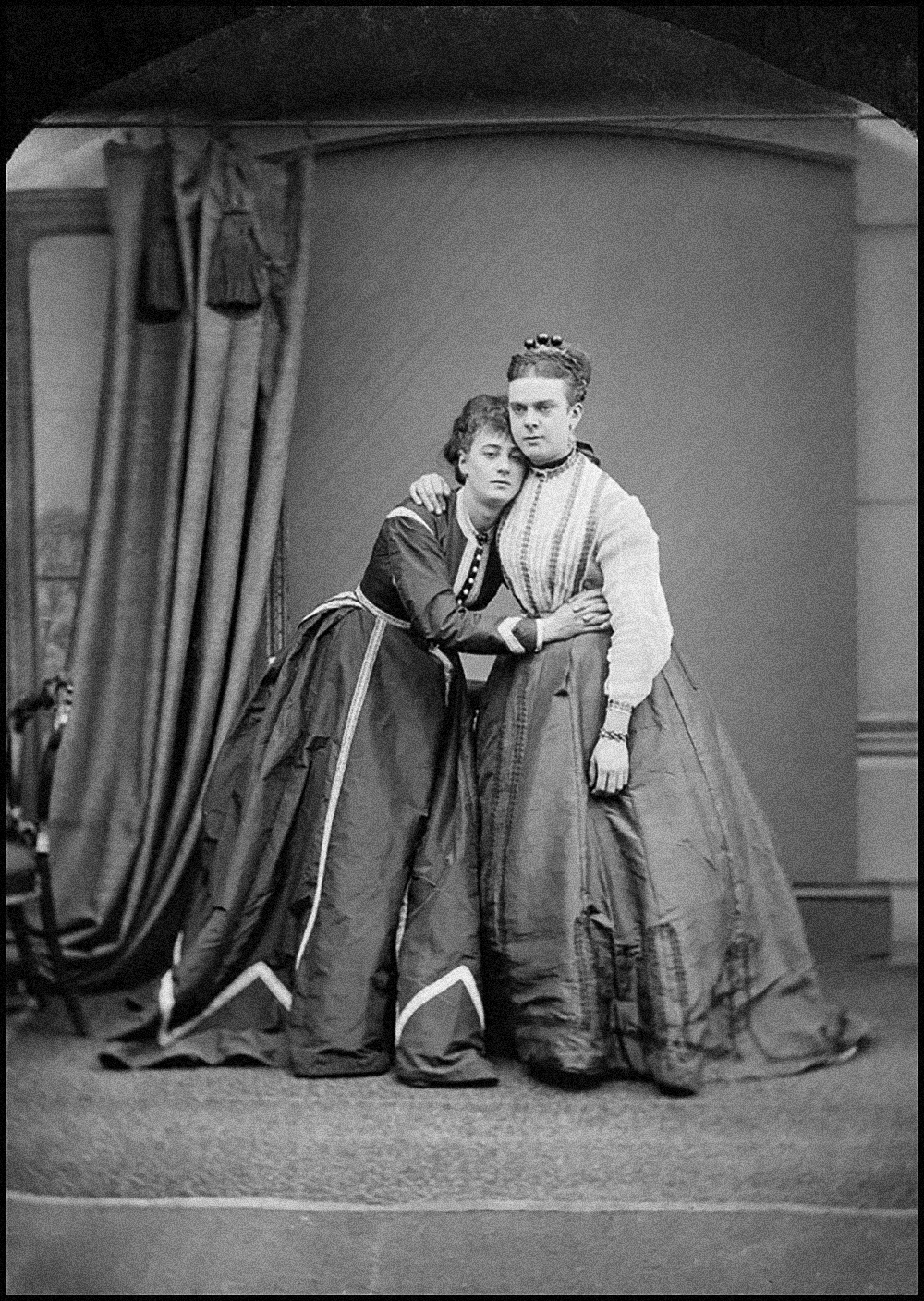
In the 18th and 19th centuries, cross-dressing was commonplace on stage. British pantomime – a tradition still carefully preserved – featured the Pantomime Dame, a man in exaggerated female costume and makeup. Such performances were often comedic, but beneath the laughter, they challenged social perceptions of gender and propriety.
In the rigid moral climate of Victorian Britain, gender non-conformity and homosexuality were criminalised and demonised. Events such as the raid on the Hulme fancy dress ball in 1880, where dozens of men were arrested for cross-dressing at a private event in Manchester, showed how dangerous self-expression could be. However, these secret gatherings – part dance, part protest – created the first safe spaces for what is called queer identity and drag performance in the 21st century.
In the early 20th century, drag began a resurgence in more public, coded forms. The music halls of Edwardian England welcomed performers who blurred gender boundaries, often under the guise of humour or parody. The First and Second World Wars accelerated this trend: in soldiers’ revues and entertainment troupes, men often performed as women, which brought lightness to severe times and normalised drag culture as the art of transformation and play.
After the wars, the 1950s and 1960s brought a new era for the drag community. As LGBTQ+ rights gradually became a matter of public discussion, drag artists began to emerge in the underground clubs of London, Manchester, and Brighton. Canal Street in Manchester, now known as the heart of the city’s Gay Village, became a centre for cabaret and drag shows.
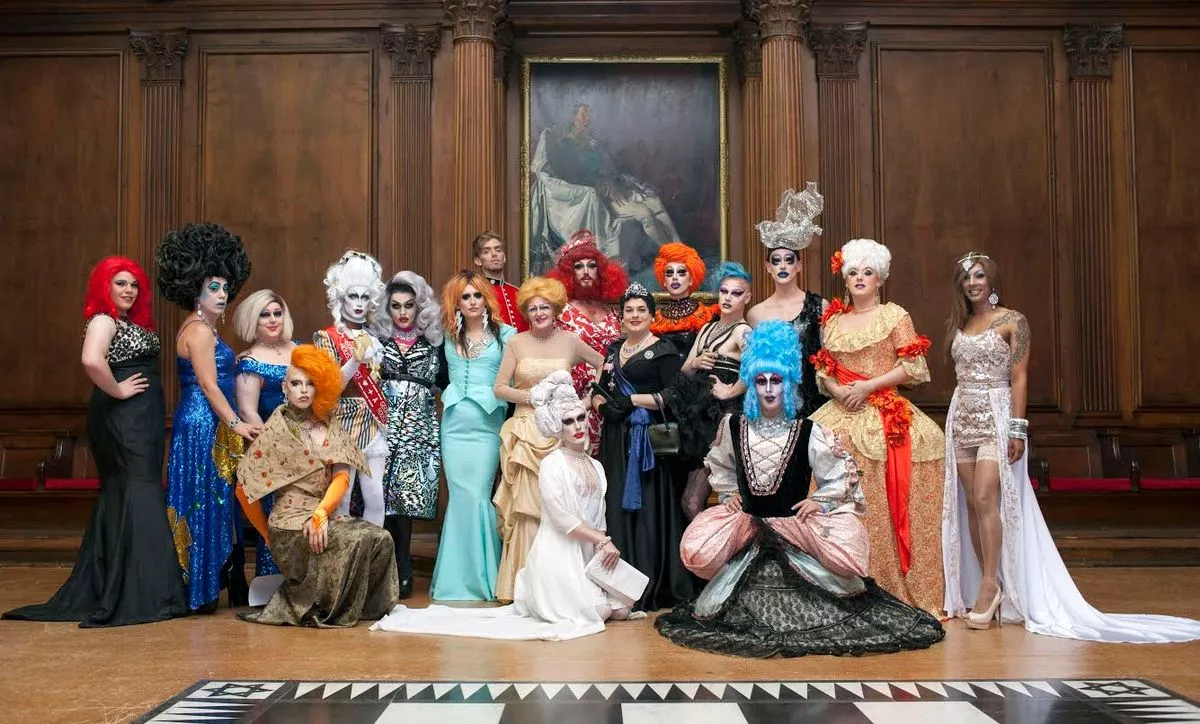
In the 21st century, drag in Manchester, and the UK in general, is more than just entertainment. It is an entire movement and an art form. The 2020s see various shows, workshops, and festivals celebrating the history of drag culture. But living in today’s world, it is hard to imagine that drag culture was once not just a taboo, but a criminal offence. The 1880 ball was a historical point of resistance and self-expression for the drag community in Manchester.
Caminada’s Raid and the Moral Inquisition
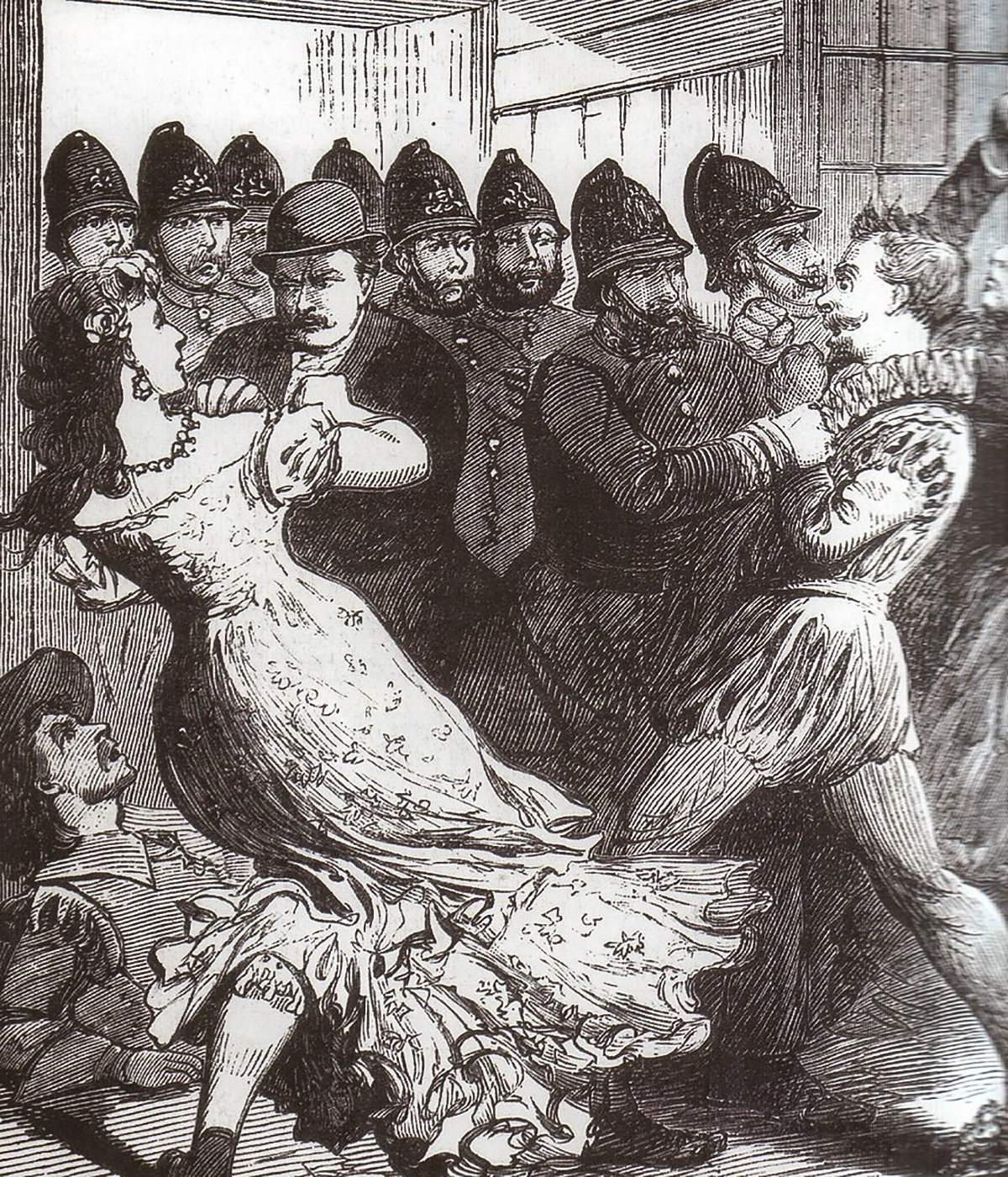
Detective Caminada, a prominent figure in the Manchester police force, had long been observing vice, justice, and high society. That day, he was informed about the secret fancy dress party. He organised surveillance and infiltration, disguising himself as a woman to gain access, and then ordered the arrest of everyone present.
But the men at the ball did not surrender easily. A struggle ensued, men panicked, shedding their clothes and trying to escape, but unfortunately, they were unsuccessful. Forty-seven people were arrested and shackled.
The next day in court, the magistrates reacted with disgust to the description of the event. But from a legal standpoint, the prosecution faced difficulties: “gross indecency” was not yet enshrined in British law. Given the weak evidence and the absence of a crime specified by law, the accused were bound over: each of them posted a £25 surety for good behaviour, otherwise, they faced imprisonment. Many paid, some were jailed.
Despite the bail and the rendered verdict, each of the men suffered immense damage. Names, costumes, addresses – all were published and disseminated throughout Manchester and even beyond. Humiliation became part of the sentence.
Victorian Scandal and Manchester: A Look Back
In history, the Hulme raid is more than just a scandalous page. It occupies a pivotal place in Manchester’s queer history and social history. It was one of the first documented drag and cross-dressing balls.
Viewing this event from a contemporary perspective, we see it as a moment of public recognition – a forced visibility – that emphasises that queer communities have always existed, even while being criminalised or shamed.
In the 2020s, the raid is commemorated in exhibitions, performances, and public discussions. Manchester, once shocked that evening, now embraces this hidden past as part of its multifaceted identity. Temperance Hall no longer exists; it has been replaced by modern streets, but the story remains, a reminder that culture, resistance, and pride are born right here, in forbidden places.
Since that night in 1880, the 47 men who dared to dance with their own gender found themselves in the public eye. Their punishment was not just legal – it became narrative, erasing, shaming. Newspapers savoured the details of the arrests, described the men’s outfits and mannerisms, and held them up for ridicule. Many lost their jobs, their families turned away from them, and society rushed to brand them as “immoral.”
But history is never unambiguous. Their presence, their boldness – even if it was unconscious – created a unique history of the emergence of drag culture in Manchester. These men, caught in the trembling shadows of Victorian morality, were the first to break the silence. They did not know they were laying the groundwork for future LGBTQ+ rights movements, that their dance, interrupted by arrest, would one day become a symbol of resistance and the search for freedom. Their footsteps on the floor of the “Temperance Hall” turned into an echo that, decades later, continues to resonate in the voices of those who are no longer afraid to be themselves.