

In the late 1820s, Manchester was developing rapidly. The Industrial Revolution had transformed it into a city of factories, canals, and bustling streets. Money flowed freely and trade was booming, but its residents wanted more—not just fame as an industrial hub, but cultural recognition too. More at manchesterka.com.
And in October 1828, Manchester decided to make a statement. The city hosted its first music festival, organised by the ‘Gentlemen’s Concert Society’, which included wealthy merchants and respected citizens. The programme featured concerts, sacred music at the Collegiate Church, and the main event – the Grand Fancy Dress Ball. This was more than just a celebration; it was an attempt to show another side of Manchester, proving it was a city not only of looms and factories but also of music, art, and high society.
The Festival’s Events: What Took Place
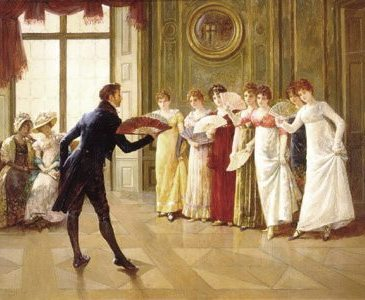
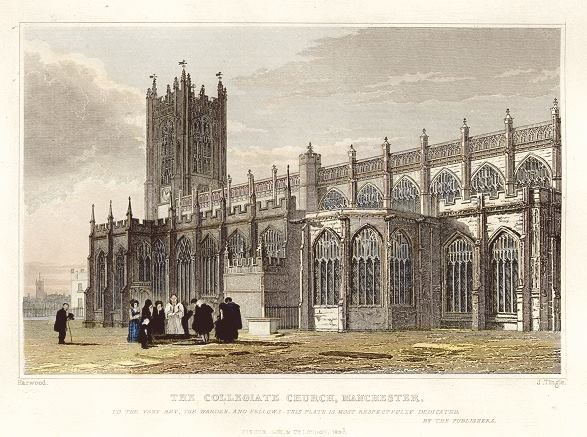
The festival ran from 30 September to 3 October 1828. Concerts were held in two prominent venues: the Theatre Royal on Fountain Street and the Collegiate Church (later Manchester Cathedral). Works by Handel, Haydn, Mozart, and Beethoven were performed. These famous compositions were intended to lend the festival an air of prestige.
The church concerts created an atmosphere of respectability, attracting people who might not otherwise attend theatrical performances. Meanwhile, the Theatre Royal held concerts for a broader audience.
Then came the climax: the Grand Fancy Dress Ball, held at the Assembly Rooms on Mosley Street. It was attended by around 3,500 people. A ticket cost £1.05 (roughly equivalent to £110 in today’s money) for admission to the supper, saloons, and dancing. To make the evening even more exceptional, large canvas tents were erected, connecting the Assembly Rooms and covering parts of Mosley Street and Charlotte Street to create dining halls and social spaces. A huge painting by Arthur Perigal, ‘The Fancy Dress Ball’, captured the attention of the attendees. Over 300 visitors paid to be included. The painting was raffled off and was subsequently won by a Mr Peacock, a linen merchant. It eventually found its home in the Salford Museum.
Why It Mattered: More Than Just a Ball
At first glance, it might have seemed like just a lavish high-society event with fine attire, candlelight, and dancing until dawn. But for Manchester in 1828, this festival and ball held a much deeper meaning, as behind the outward splendour lay an attempt to change the city’s image in the eyes of its residents and the entire country.
Firstly, such an event was of immense cultural significance for Manchester, which had long been perceived merely as a noisy industrial centre. The organisers sought to demonstrate that the city had moved beyond its factories and looms, that it valued art, music, and high culture, and could therefore compete with London and other respected cultural hubs. The festival became a true declaration that the city was ready for a new role – as the cultural capital of the North of England.
Furthermore, the music in the church and the grand ball at the Assembly Rooms brought together people of different classes and professions for the first time, a rarity for that era. Merchants and industrialists found themselves at the same table with clergy, artisans, women from respectable families, and even young people just starting their journey in life. In this mix of statuses and characters, a new spirit of Manchester emerged—open, diverse, and striving for social unity. This interaction helped to break down class barriers and make culture more accessible to all.
The social aspect of the event is also worth noting. The funds raised during the festival were directed towards charity—aiding the poor, supporting hospitals, and funding educational initiatives. This proved that even a lavish display of wealth and privilege could serve a useful mission and the interests of society. As a result, the celebration became a symbol not just of entertainment but also of social responsibility, leaving a significant mark on the city’s history.
The Ball That Transformed Manchester
Although the Assembly Rooms no longer exist (they were sold and replaced by warehouses in 1850), and the tents have long since vanished, the Grand Fancy Dress Ball left its mark.
It symbolised the early intersection of commerce, culture, and society in Manchester. It could be said that it set the template for future festivals, theatres, clubs, and public events. Manchester would repeat this aspiration to combine high culture (concerts featuring Handel, Mozart, etc.) with popular festivities (fancy dress balls) on numerous occasions: in music festivals, art exhibitions, fashion, theatre, and beyond.
In the 21st century, when Manchester hosts multi-day festivals, ‘ball nights’, or large public events that take over streets and public spaces, it is considered commonplace. But back in 1828, the Fancy Dress Ball marked this grand beginning. The idea that a city of industry could also be a city of celebration became part of Manchester’s identity.
The Grand Fancy Dress Ball of 1828 was not merely a spectacle—it was a turning point in history. In the challenging era of the Industrial Revolution, people craved beauty, dance, music, and vibrant costumes more than ever, seeking a distraction and respite from arduous, exhausting labour. The ball demonstrated that culture could follow commerce, art could follow profit, and that people living difficult lives also carried joy, elegance, and creativity in their hearts.