

Elizabeth Cleghorn Gaskell was an English writer whose name is firmly associated with the Victorian era. Her contemporaries knew her as “Mrs Gaskell” – a talented storyteller, biographer, and explorer of human character, as well as the working class of Manchester. Read more on manchesterka.com.
Her work was unique: Gaskell did not confine herself to describing domestic life or high society. She tackled pressing social issues, turning her attention to the everyday lives of ordinary people, their hardships, and their inner worlds. The writer excelled at depicting contrasts – poverty and wealth, the industrial clamour of Manchester and the tranquillity of provincial towns, the destiny of women and the expectations of society.
Elizabeth Gaskell’s creations have not only preserved a historical and cultural portrait of the era but have also proven to be remarkably modern. The BBC has adapted her books for the screen on numerous occasions, confirming that her stories of love, labour, class divides, and the role of women in society remain relevant in the 21st century.
The Future Writer’s Early Years
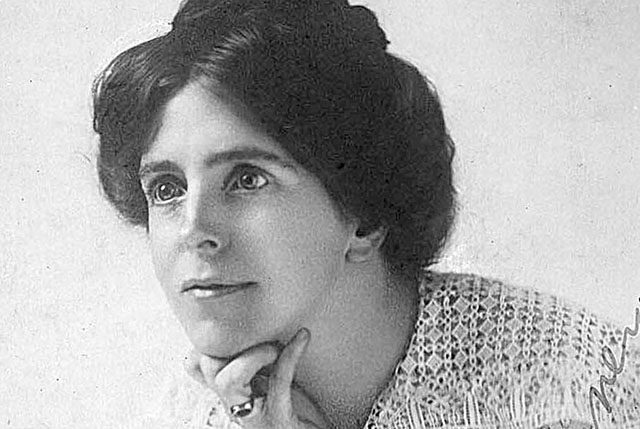
Elizabeth Cleghorn Stevenson was born in 1810 in Chelsea, a district of London. Her childhood was spent in the picturesque locales of Cheshire and Knutsford. It was there, following the early death of her mother, that young Elizabeth was raised by her aunt, Hannah Lumb. Here, amidst the rural landscape, she became aware at a young age of class distinctions, social contrasts, and the quiet lives that often went unnoticed.
Her formal education was typical for a woman of her social class: she attended schools run by governesses. But it was her extensive reading – of the classics, travel accounts, and family letters – and the influence of her father’s Unitarian faith, which emphasised compassion, social justice, and the value of the individual, that truly shaped her sensibility.
How Did Elizabeth Come to Manchester?
After marrying William Gaskell in 1832, she moved to Manchester. This move was a turning point: instead of merely observing Manchester, she decided to live it. The city’s industrial landscapes, its mills, its working-class districts, and its glaring inequality became the foundation of her writing.
Industry in Manchester was thriving during Gaskell’s time. But she saw both the promise and the peril of this industrial age. Her first novel, “Mary Barton” (1848), is set directly in Manchester and tells of working-class poverty, strikes, suffering, and human relationships that transcend social barriers. She did not romanticise the factories; she depicted real problems.
Her most famous work, “North and South” (1854-55), paints a vivid contrast between the industrial North of Manchester and the rural South. She explores the conflicts between masters and men, the emotional lives of people from both classes, and how industry changes identities and relationships. Margaret Hale, the protagonist, acts as a mediator of sorts: she sees both the noble values of her southern upbringing and the harsh reality of Manchester’s factories.
Gaskell’s mastery lay not only in her social criticism but also in how she wove personal, domestic details into her works – family life, the female experience, faith, and moral dilemmas that made her stories accessible. She used local dialect and realistically described the city streets, the working conditions in the factories, and the lives of the poor. Readers who might never visit Manchester could still feel the noise of its factories, its dust, its conflicts, and its hope.
Themes and Style in Elizabeth Gaskell’s Works
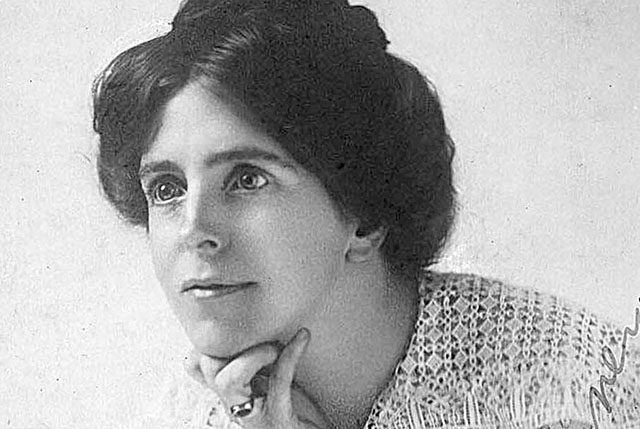
In her works, Gaskell touched upon several key themes. In particular, she posed difficult questions: what are the duties of the rich to the poor? Can kindness overcome economic inequality? In novels such as “Wives and Daughters” (1864–1866), she describes the roles, freedoms, and frustrations of women, anticipating later feminist concerns. Similarly, the industrial transformation of Manchester is a central theme – the changing structure of the city, the changing economy, the changing people. In her novels, she does not openly oppose industrialisation; rather, she imagines how it could be made more humane. Furthermore, in her works, Gaskell believed in empathy, mutual support, and moral conscience, often creating characters who bridge social divides through mutual understanding and moral courage.
Her style is distinguished by its realism, local detail, well-drawn characters, vivid scenes from life, and a tone that combines critique with warmth. She was able to portray both the factory owner and the worker, showing the humanity in each, their differences, and their interdependence. Her use of dialect, imagery of the countryside, and domestic interiors stands in sharp contrast to the industrial settings, creating a palpable sense of life within the city.
Manchester in the Heart of Elizabeth Gaskell and Modern Culture
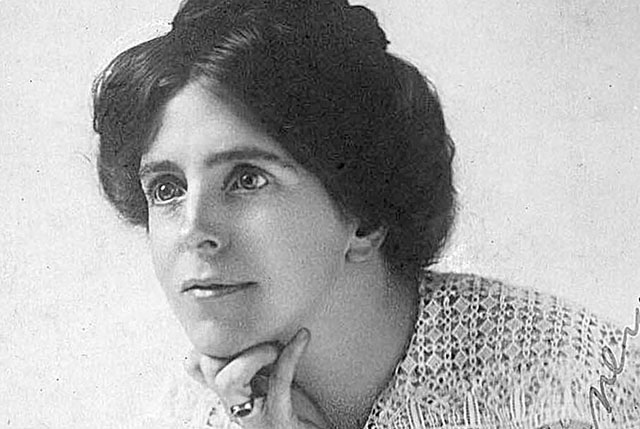
Elizabeth Gaskell died in 1865, but even in the 21st century, her works continue to shape the perception of the city, both within Manchester and beyond. Her home on Plymouth Grove in Manchester, where she lived with her husband, has been preserved and serves as a historic house museum. Visitors can walk through the rooms where she wrote, see her writing desk, and imagine the view of the industrial city that inspired her.
Her novels are still widely read and adapted for television and theatre, reminding audiences of historical issues – class inequality, gender disparities, industrial hardships – that remain relevant in the 2020s. “North and South” and “Cranford” remain especially popular. She is studied in literary criticism, social history, and Victorian studies. Her work is considered a voice that speaks for the lower classes and for women in a changing society.
Gaskell also contributed to the preservation of Manchester’s history by depicting its slums, factories, and people. Even today, as new stories are told about Manchester’s industrial past, many draw inspiration from her vivid imagery. She not only left a significant literary legacy; her works are part of Manchester’s identity – how the city remembers itself and how it presents itself to the world.
Elizabeth Gaskell was a writer distinguished by her deep compassion and sharp social insight. In her novels, she opened a window into the working life of Manchester, revealing its conflicts and its humanity. She made the city more than just an industrial hub – she made it a character in its own right. And in doing so, she ensured that the struggles of Manchester, its people, and its spirit would be known, remembered, and felt for generations, far beyond its factory walls.
The writer’s memory is honoured not only in Manchester but also beyond its borders. In 2010, a memorial panel to Gaskell was installed in Poets’ Corner at Westminster Abbey. In Manchester, a prize has been established in her name, awarded to women for their contributions to charity and the betterment of society.
Interest in Gaskell’s work has not waned in the 21st century. Over the years, the BBC has adapted her novels for the screen: “Wives and Daughters” (1999), “North and South” (2004), and “Cranford” (2007), starring Judi Dench. As early as 1949, a stage play by Margaret Macnamara was produced based on her works. In 2018, Nell Stevens’ bibliomemoir, “Mrs Gaskell and Me,” was published, in which the writer’s life intertwines with the author’s personal story.
Even the buildings and halls of Manchester and its surroundings serve as reminders of her. For instance, the village hall in Silverdale was named the Gaskell Hall in 1928, thanks to a generous donation, and in the restored Cross Street Chapel, a special “Gaskell Room” has been created with commemorative exhibits.