

Manchester’s fashion in the 1980s and 1990s was very vibrant and diverse, reflecting the cultural scene of the city at the time. The music of that period, such as indie rock, rock psychedelic and rave, led to a mixture of fashion styles. Learn more about Manchester’s fashion of the second half of the 20th century at manchesterka.com.
The formation of Manchester’s fashion in the second half of the 20th century
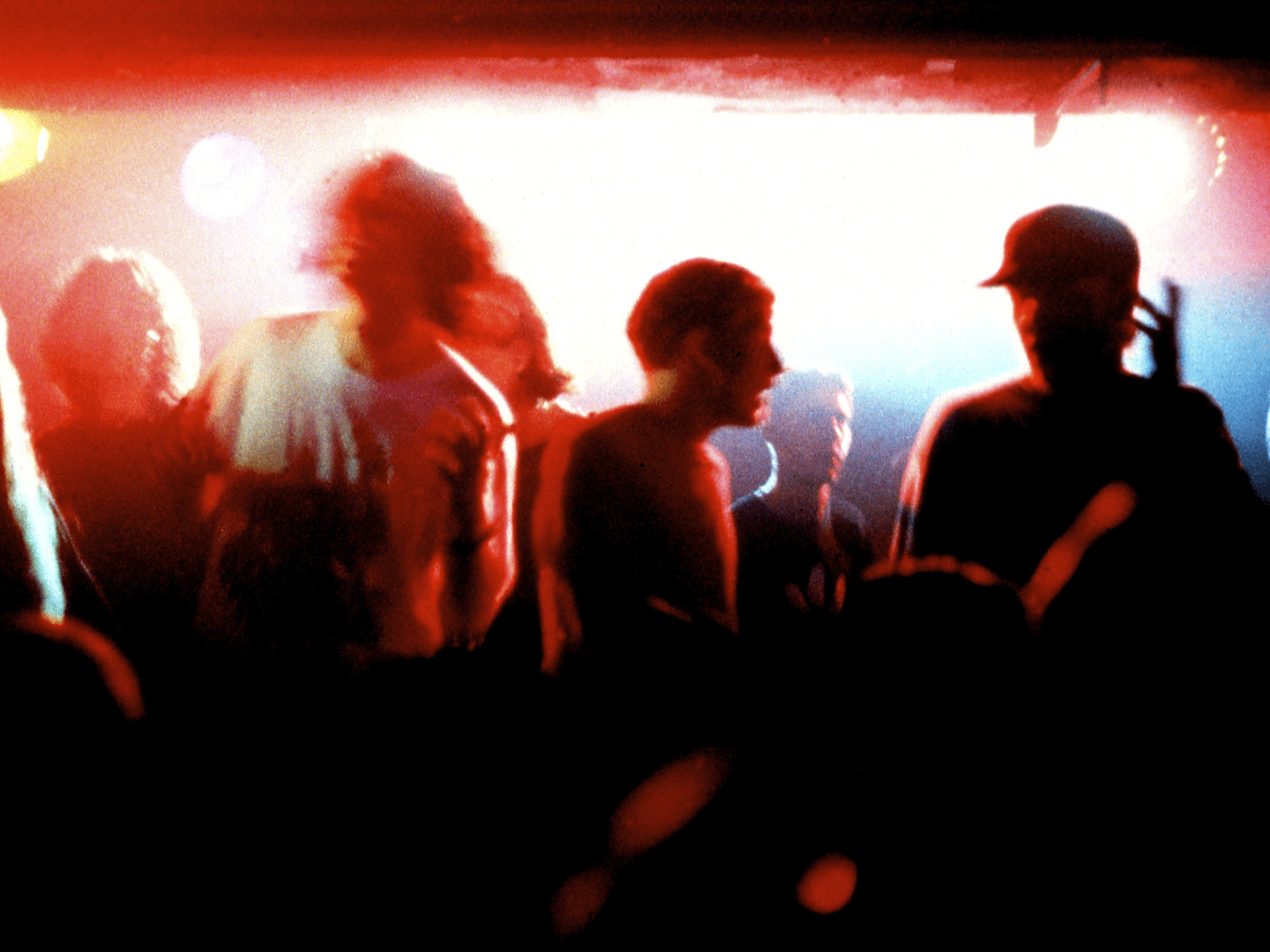
Fashion is an integral part of Manchester’s history and culture. Many mistakenly believe that Manchester is a rainy city, in which everyone has always worn inconspicuous clothes in shades of grey. But it was far from the case because Manchester occupied a leading position in the world textile industry. So, it shouldn’t be underestimated.
In the 19th century, when the city was the centre of the cotton industry, it produced a wide variety of fabrics for the whole world. Certainly, it influenced Manchester’s early fashion. Local fabric production, the availability of raw materials, many shops and ateliers, as well as an endless selection of the most fashionable things. Manchester had all of this along with the status of an industrial centre. Some even called Manchester the fashion capital of Great Britain.
The fashion industry in Manchester has developed over many decades. It was ever-changing and formed under the influence of various factors. For example, in the mid-20th century, local fashion was shaped by the city’s two successful football teams as well as a unique and energetic music and nightlife scene. This era made a real splash in urban fashion. No fashion era was characterised by such bright, unique and bold clothing images as the crazy 1980s and 1990s.
Manchester fashion of the 1980s and 1990s was formed under the influence of such bands as The Stone Roses, Happy Mondays, The Charlatans, Joy Division, The Smiths, New Order and many others. Most of them originated from Manchester.
Nightclubs had a significant influence on Manchester’s fashion in the 1980s and 1990s too. One of the most famous was The Hacienda, which held performances by the famous DJs of the era and the brightest gay parties.
Manchester residents didn’t need Paris or New York in the 1980s and 1990s. They had their own prominent fashion and cultural centre.
Characteristic features of Manchester’s fashion in the 1980s and 1990s

In the 1980s and 1990s, the city had the so-called Manchester look. It was characterised by bagginess and was shaped in part by the fans of the city’s football club and local hippies. The baggy Manchester look consisted of flared, large or baggy jeans in a light shade, a white long sleeve or an oversized T-shirt. The look was complemented by the popular Kickers shoes or Adidas shell-toe sneakers, also known as Adidas Superstar. Panama was also a popular accessory among Manchester fashionistas.
But the main fashion feature of Manchester in the 1980s and 1990s was its legendary T-shirt with the wording “And on the sixth day, God created Manchester”. This phrase was a popular slogan in the city, which originated from the song E is for Everything by the Manchester band The Durutti Column. The song was included in their 1989 album called Vini Reilly. The song’s lyrics include the line “And on the sixth day, God made Manchester“, which has since become a legendary phrase that glorifies the city’s cultural significance and fashion. It is often interpreted as a testament to Manchester’s rich history, vibrant culture and contribution to music, industry and society. So, in that era, probably every urban fashionista wanted that T-shirt. Even Jean-Paul Gaultier and Madonna had them.
The baggy style was typical of most Manchester residents at the time. However, those who regularly visited the nightclub The Hacienda and the so-called “designer” bars had a more refined image in their clothes. In particular, those people liked designer lycra overalls. They also wore bodysuits and jeans by Jean-Paul Gaultier and Vivienne Westwood. A love for designer fashion and a sense of style has always been present among Manchester residents.
Hairstyles and farewell to a fashionable era

In the 1980s and 1990s, the residents of Manchester preferred the most daring and unconventional hairstyles. Both men and women wore a mullet, perms and various asymmetrical haircuts. More relaxed hairstyles in the grunge style were also common among the extravagant looks.
As the 20th century arrived, Manchester fashion had gone. Although the Manchester look was relatively short-lived, it influenced the cultural identity of the city. Fashion is certainly an important part of Manchester’s history. It was shaping the city for many decades, had a huge impact and certainly left a valuable legacy.
