

The struggle for women’s suffrage was a very long and difficult path that stretched over many decades in Great Britain. It should be noted that Manchester was the centre of the struggle for women’s rights in the 19th and 20th centuries. Among the many tools Manchester suffragettes used to spread their ideas and find support were women’s magazines that played a crucial role in this struggle. One of the most influential periodicals of the movement was the Women’s Suffrage Journal. That magazine not only documented women’s struggle for suffrage but also served as a powerful platform for the spread of information and education. Learn more at manchesterka.com.
Political and social background for the suffrage struggle
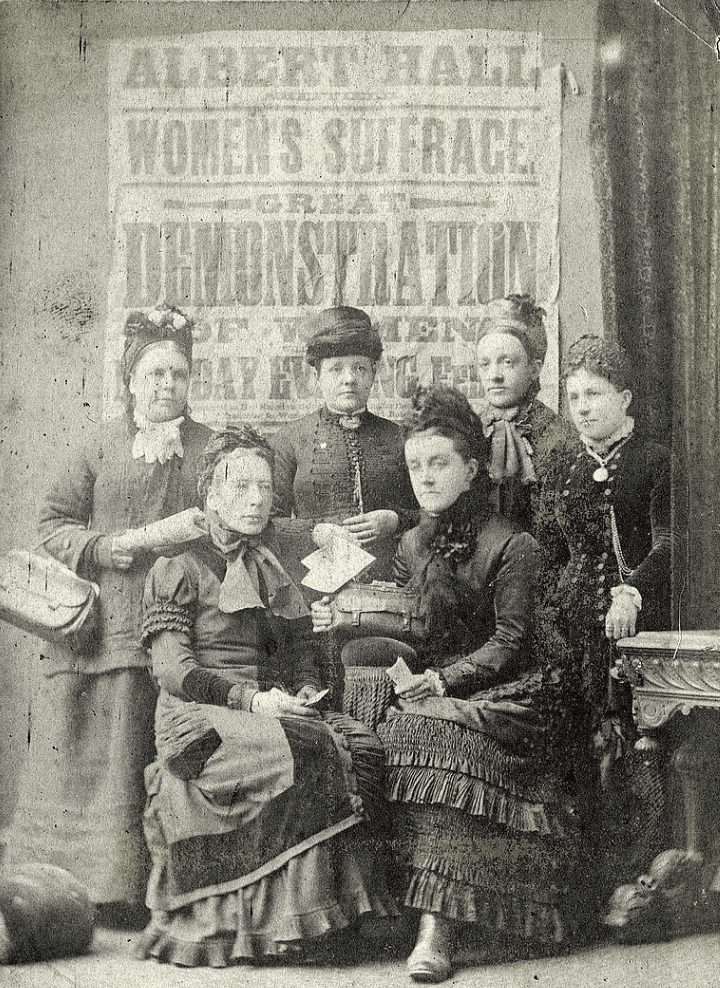
As you know, Manchester was at the centre of the 19th-century Industrial Revolution and one of the most influential cities in Great Britain. The rapid development of industry and trade contributed to the growth of the urban population and new class relations. However, despite economic flourishing, social inequality remained an acute problem, especially for women. Besides, a wave of significant political changes swept through Great Britain at that time. In particular, it refers to the passage of the Second Electoral Act of 1867, which expanded the right to vote for men but left women out of the political process. The document rallied women and spurred immediate action, creating conditions for the rise of the women’s suffrage movement.
Social conditions in Manchester in the second half of the 19th century also contributed to the growth of the women’s suffrage movement. The rapid development of industry led to an increase in the number of working women, which caused changes in social roles. Women realised their importance in the economy and sought equality not only at work but also in political life.
However, the path to equality was very long and complicated. Women faced numerous obstacles in this struggle, including social stereotypes that limited their role in society and legal restrictions that prevented them from participating in the political process. However, despite all the difficulties, the movement for women’s suffrage was gaining strength. Women continued to organise marches, write petitions, speak out at public meetings and join various organisations to make their voices heard. Their tireless work and determination eventually led to significant changes that paved the way for a modern society where women and men have equal rights and opportunities.
Establishment of the Women’s Suffrage Journal
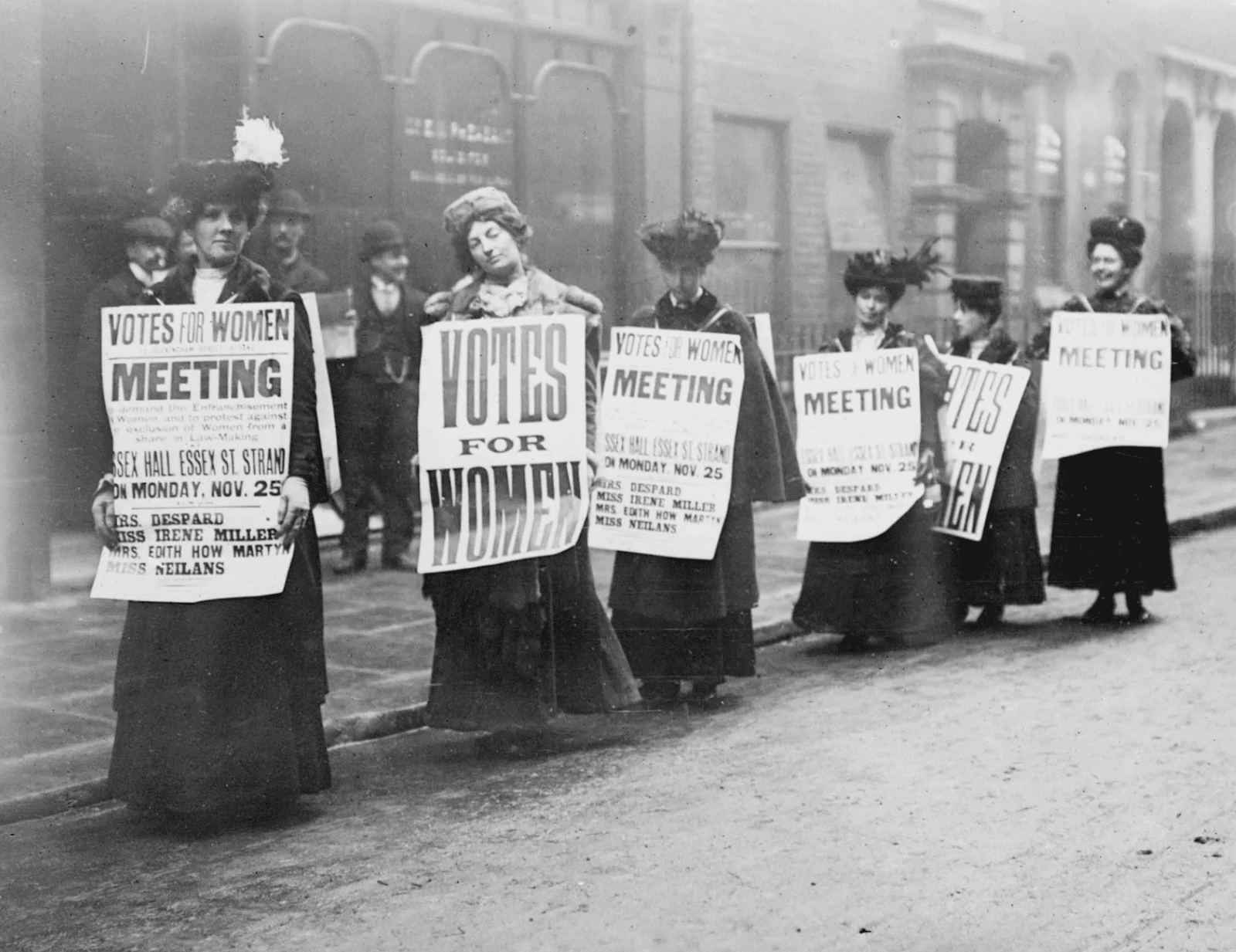
The movement for women’s suffrage had quite deep historical roots and a strong influence in Manchester. The 19th-century city became home to many famous activists and thus the centre of the women’s movement in Great Britain. Famous leaders of that time were Lydia Becker and Emmeline Pankhurst. It was on the initiative of Lydia Becker that the well-known Women’s Suffrage Journal was founded in 1870.
At first, the magazine was called the Manchester National Society for Women’s Suffrage Journal, but it was renamed in the same year. That change reflected Lydia Becker’s great desire to spread information about the fight for women’s suffrage beyond industrial Manchester.
What was the women’s magazine about?
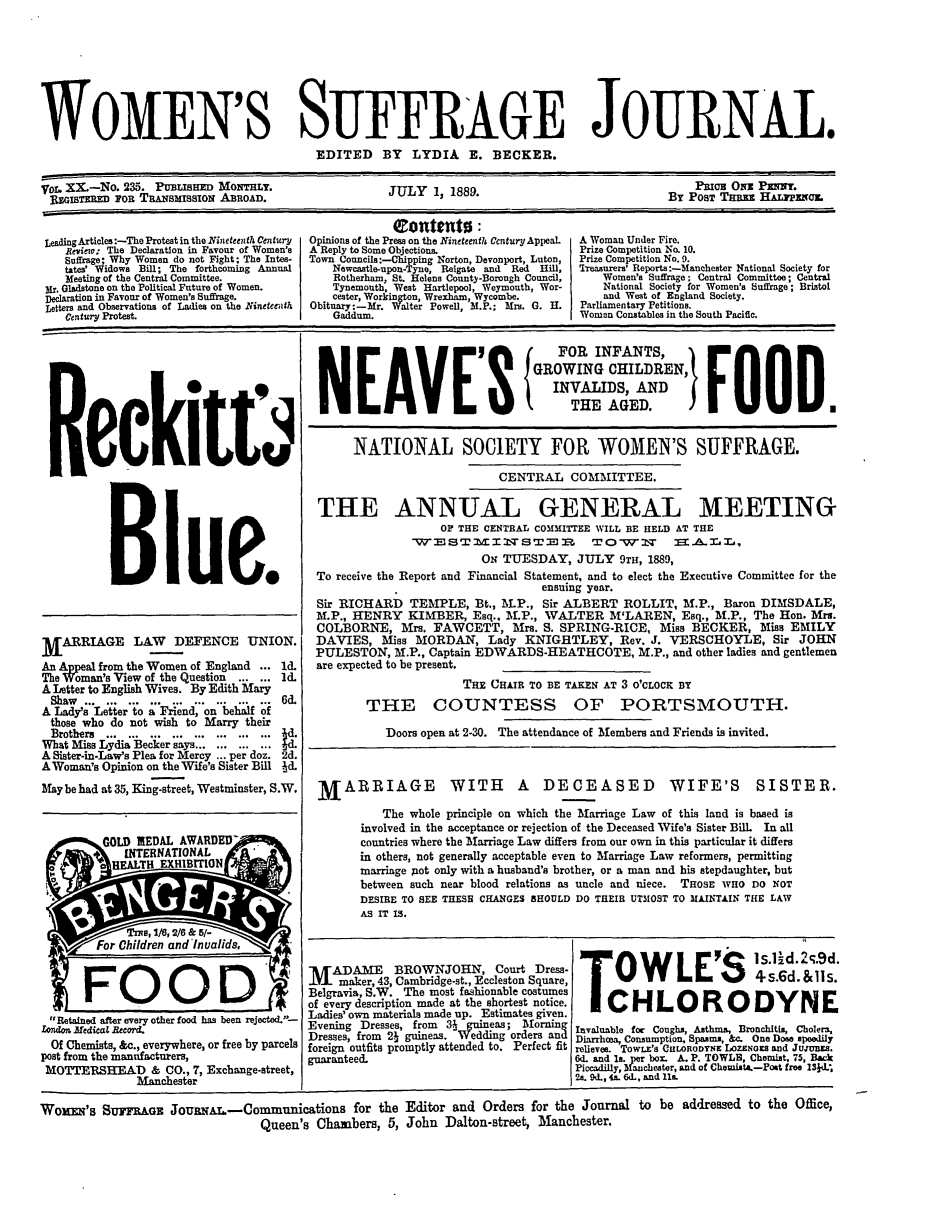
Lydia Becker was one of the most influential figures in the Manchester women’s movement in the late 19th century and the founder of the Women’s Suffrage Journal. She also wrote and distributed articles, organised rallies and meetings as well as spoke out at public events. Her efforts helped create a strong suffrage community in Manchester and beyond.
The magazine covered the main events affecting different spheres of women’s lives. In addition, the periodical paid special attention to those who most actively demonstrated their support of the fight for women’s suffrage among the residents of Manchester and other British cities. The magazine also featured useful pieces of advice on preparing petitions for the House of Commons.
Activists also used the Women’s Suffrage Journal to spread their ideas and attract new supporters. It played an important role in shaping public opinion and informing people about women’s issues and the movement’s goals.
At the end of the 19th century, Manchester saw the creation of many social organisations supporting the movement for women’s suffrage. They organised meetings, lectures and rallies to discuss issues of gender equality and women’s rights. One of the main centres of the movement was the Manchester Society for Women’s Suffrage.
The magazine continued to be published until 1890, when Lydia Becker, an outstanding activist, a fighter for women’s rights and the founder of the legendary Manchester periodical passed away.