

Feminism is an ideology aimed at advocating for women’s equality in political, economic, social, and other spheres. Over decades, this movement has developed across the globe, and the industrial city of Manchester was no exception. Feminism in Manchester began to take shape as early as the 19th century. The feminist movement is a vast and inseparable chapter in the city’s history, one everyone should know about. Next on manchesterka.com.
How Did Feminism Emerge in Manchester?
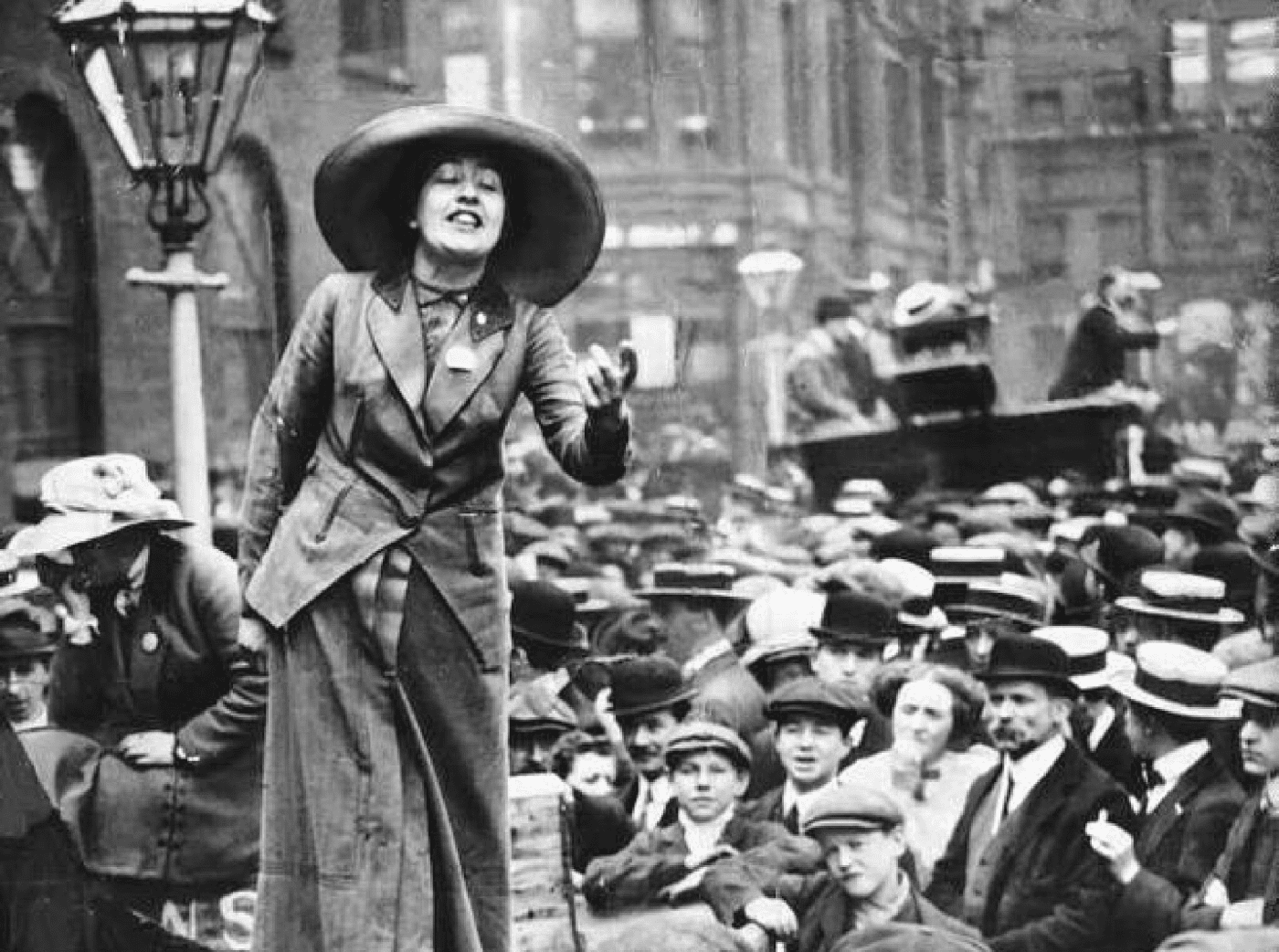
The historical roots of feminism in Manchester date back to the early 19th century, during the height of the Industrial Revolution. One of the earliest feminists in the city was Mary Fildes, who in 1819 established the “Manchester Female Reform Society.” This organisation focused on promoting ideas such as birth control, and Fildes even authored a book on the subject, publishing and distributing it throughout the city. However, the public of the time, particularly the local press, accused her of spreading pornography.
It is worth noting that during the early 19th century, the fight for women’s suffrage was not yet a priority, as many considered it unattainable. Instead, Fildes actively participated in the movement advocating for universal male suffrage. While this was a noble cause, it also laid the groundwork for future campaigns for women’s voting rights.
The Development of the Feminist Movement in Manchester
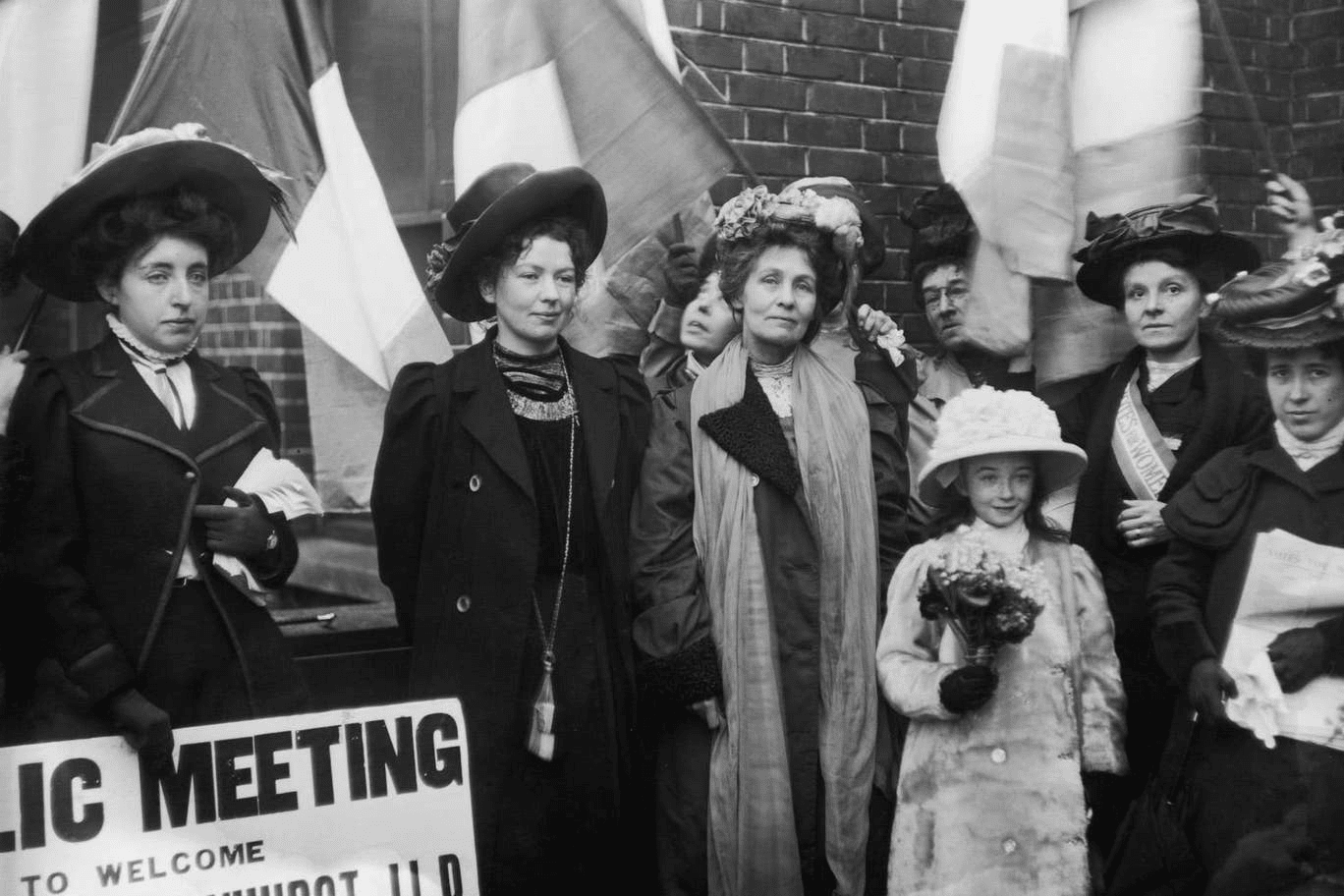
Before women achieved their rights in Manchester, many decades of struggle passed. The development of feminism in the city can be divided into several historical periods:
- Emergence – Early 19th Century: During this time, many women in Manchester began organising demonstrations, meetings, and speeches to advocate for education and suffrage on par with men.
- Rapid Growth – Late 19th and Early 20th Century: The suffragette movement began to take root in Manchester during this period. The city became home to a prominent organisation led by Emmeline Pankhurst. The suffragettes conducted an active campaign for women’s right to vote, which culminated in women being granted full suffrage in the 1920s. This movement in Manchester was a vital part of the nationwide campaign for women’s rights.
- Development – Post-World War II: After the Second World War, the feminist movement in Manchester regained momentum, focusing on a broader range of issues, including achieving equality in all spheres of life.
- Modern Struggles – 21st Century: Despite significant progress in the 20th century, Manchester’s feminists continue to fight for equality in the 21st century. Their efforts are now concentrated on issues such as reproductive rights, combating violence, and ensuring overall gender equality.
The fight for women’s rights in Manchester has been and continues to be an integral part of the city’s political, social, and cultural development.
Prominent Figures of the Feminist Movement in Manchester
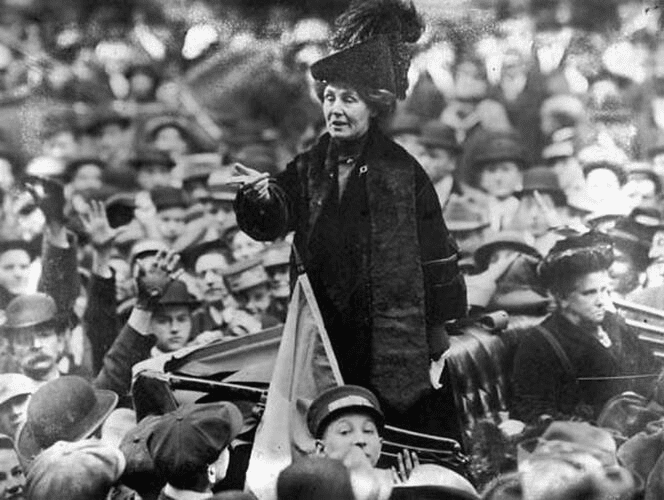
The feminist movement owes much to the contributions of its key figures, who shaped it over many decades. Among them are:
- Mary Fildes, who founded the feminist movement in Manchester in the early 19th century.
- Emmeline Pankhurst, a legendary leader of Manchester’s suffragette movement in the late 19th and early 20th centuries.
- Lydia Becker, who initiated a vigorous campaign for women’s voting rights in the late 19th century.
- Angela Cooper and Luchia Fitzgerald, who led Manchester’s Women’s Liberation Centre during the latter half of the 20th century. They provided pregnancy testing, organised support for women, and opened the city’s first women’s refuge.
- Julia Grant, a prominent advocate for transgender rights.
Manchester’s feminist movement has seen the contributions of many individuals who, during different historical periods, played a vital role in its development. Each left an indelible mark on the fight for equality, not only in Manchester but throughout the country.
What Was Achieved in Manchester in the Fight for Women’s Equality?
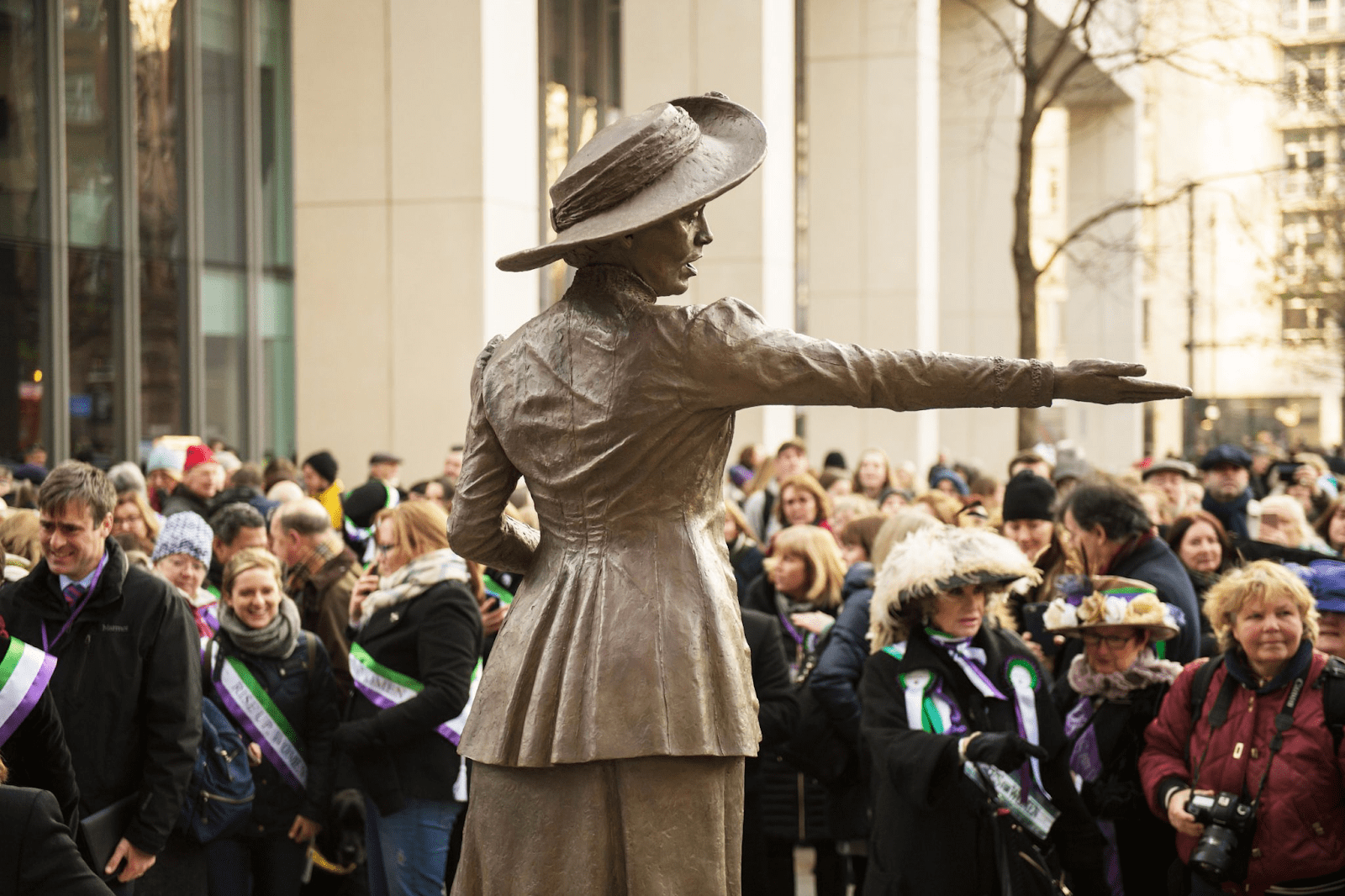
Although the fight for women’s equality began in the early 19th century, significant results were not seen until almost 100 years later. Throughout this time, different generations of feminists took to the streets of Manchester with demonstrations, rallies, and speeches to draw the attention of the public, politicians, and the government to their issues. Unfortunately, their efforts went unnoticed for a long time.
The first notable achievements in Manchester’s feminist movement occurred in the late 19th and early 20th centuries. Women’s rights were granted gradually, starting with equal access to education. However, even with qualifications, skills, and experience comparable to men, women continued to face widespread discrimination for years.
A landmark moment came in 1928 with the passage of the “Representation of the People Act,” which granted voting rights to all women over the age of 21. This milestone was the result of relentless efforts by several generations of Manchester’s suffragettes.
In the following decades of the 20th century, feminists achieved political representation, with women securing high-ranking positions in politics and other areas of Manchester’s public life. The feminist movement also contributed to improved working conditions for women, greater educational opportunities, gender equality, and reproductive rights.