

The history of Manchester is deeply intertwined with the region’s industrial development, which, in turn, is closely connected to fashion. Known for its cotton production, Manchester began using significant amounts of cotton as early as the 17th century. By the mid-17th century, the city was producing pure cotton fabrics, surpassing wool in importance. From this cotton, fashionable women’s hoods were crafted. The story of these 17th-century hoods provides valuable insights into the era’s fashion trends and cultural norms.
Further details can be found on manchesterka.com.
A Glimpse into Women’s Hoods
Fashion has always been a part of human history, and people have consistently sought to follow it. During the early 17th century, in Britain, particularly in the burgeoning city of Manchester, linen headwear became fashionable among women. Known as coifs, chaperons, hoods, French hoods, caps, and bonnets, these items were integral to women’s wardrobes.
Hoods gained popularity in the early 17th century, reaching their peak before declining by the century’s end. By then, they had fallen out of favour among both the elite and lower classes, replaced by other fashion trends.
Why Did Manchester Women Wear Hoods?
Beyond their desire to follow fashion, Manchester women sought practicality and convenience, which hoods provided in abundance during the 17th century. These headpieces were indispensable, serving both as a style statement and a functional accessory. Hoods varied in style and design, reflecting the wearer’s social status, occupation, and personal preferences.
One of the most common types of hoods in Manchester during this era was the coif. This close-fitting cap covered the head snugly and secured the hair. Coifs were often made from linen or silk, and occasionally cotton. They were adorned with lace, embroidery, or other decorative elements, making them both practical and stylish. Women of all social classes wore these coifs, which symbolised femininity and sophistication.
Another popular style was the cloak or mantle with an attached hood. These long garments, often made from wool or other heavy fabrics, provided warmth and protection from the elements. Cloaks with hoods were primarily worn outdoors, particularly during colder weather.
In addition to coifs and hooded cloaks, Manchester women sported a variety of other headwear, such as caps and hats, tailored to different occasions and personal preferences. These items were frequently decorated with ribbons, bows, feathers, and other embellishments to enhance their visual appeal.
The Evolution of Headwear in 17th-Century Manchester
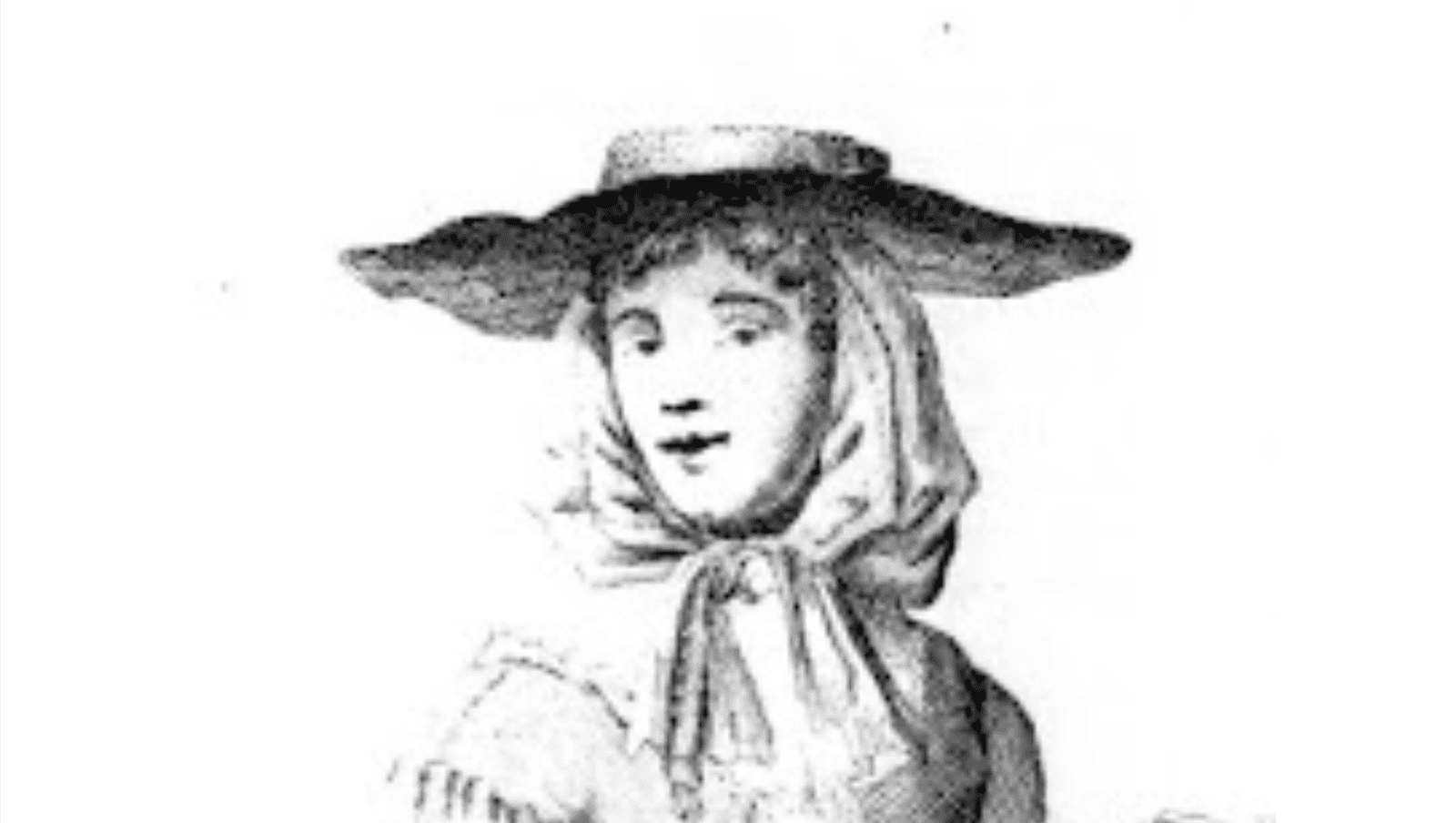
Hoods, coifs, and other headwear styles worn by Manchester women in the 17th century changed over time as fashion trends evolved. Later designs often featured back ties, while earlier models tended to be dark-coloured and suited for colder seasons. For many women, these coifs replaced traditional hats during the 17th century.
Lighter fabrics such as linen and cotton were popular for hoods worn in warmer months. By the mid-17th century, more modern and practical coifs had replaced outdated hood styles. These remained essential components of women’s wardrobes, valued for their practicality and elegance, until the century’s close.
The decline of hoods and coifs as fashionable items can be traced to the late 17th century, a shift documented in period engravings. These images illustrate how hoods gradually transformed into larger scarves covering elaborate headpieces underneath.
Explore 17th-Century Fashion at Manchester’s Costume Gallery
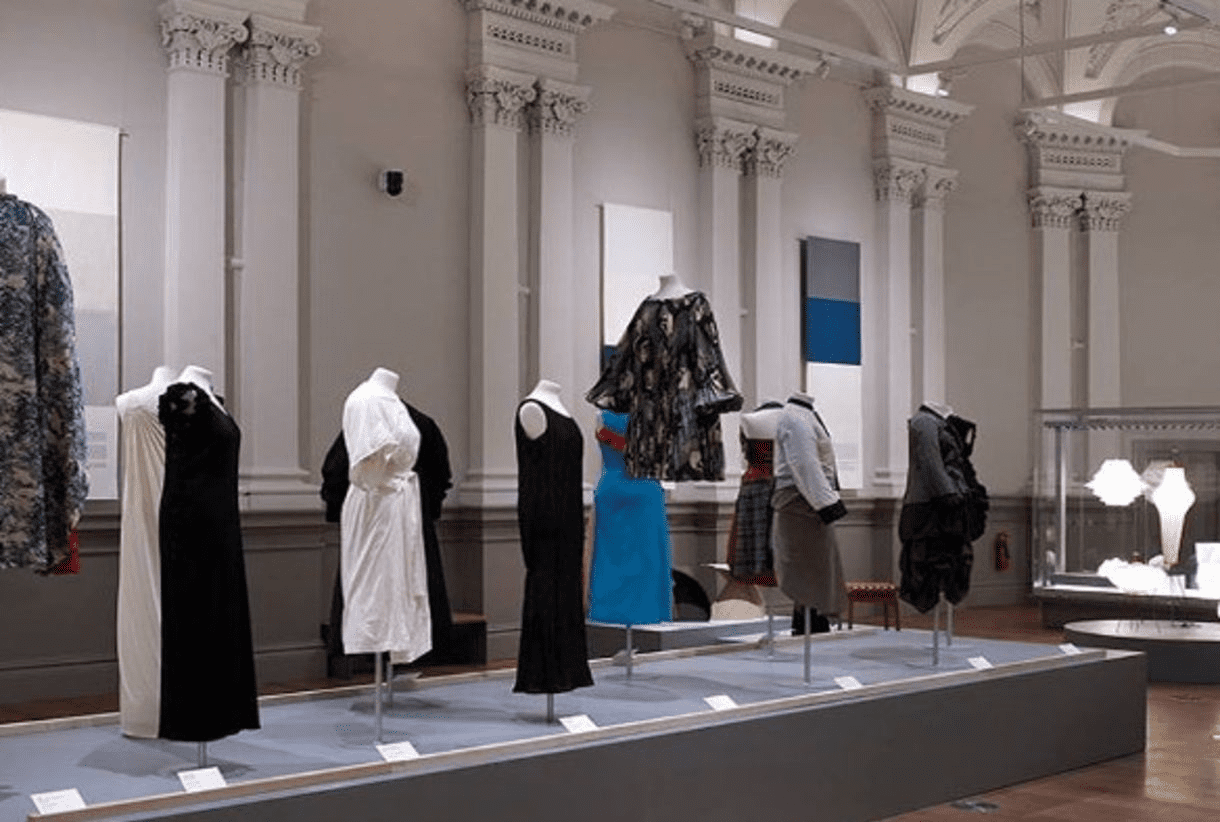
Manchester’s fashion mirrored its industrial and cultural identity. Visitors can delve into the city’s 17th-century fashion history at the Gallery of Costume, located at Platt Hall on Wilmslow Road, Rusholme, Manchester. The gallery showcases unique examples of hoods and antique designs from as early as 1610 and 1625. These headpieces, crafted from linen and fustian, lack back ties and were worn loosely, offering a glimpse into the era’s stylistic preferences.