

Mary Corkling was an incredibly talented artist and reformer of the British food industry in the late 19th and early 20th centuries. She became famous for her unique floristic paintings and reform activities promoting the consumption of whole-grain bread. In addition, she became a vegetarian out of respect for animals. Learn more at manchesterka.com.
What do we know about Mary Corkling?
Mary Corkling is a native of Manchester. She was born in its suburbs in the family of a merchant in 1850. The young girl was brought up in a happy and prosperous family, where her mental and creative abilities were developed and supported in every possible way. However, it should be noted that Mary’s parents were very concerned about her short-sightedness. Therefore, they didn’t allow Mary to spend much time drawing, as it negatively affected her eyes. Still, she managed to copy a picture and do some drawing from life, which revealed her talent as an artist. Mary copied the picture paying attention to details, so her parents couldn’t stand in the way of her artistic development anymore.
Mary studied at the Dudley School of Art. Then she went to Sicily, where she developed and practised her skills as an artist.
Mary Corkling’s artworks
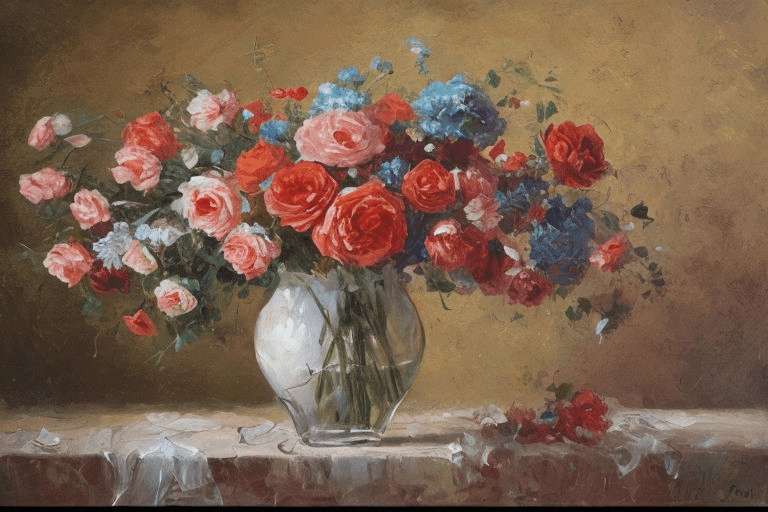
Mary Corkling became famous mainly for drawing flowers and various figures. Her works have been repeatedly exhibited at various events. Thus, in 1875, Mary demonstrated her talent at an exhibition of the Society of Lady Artists and several other galleries. In 1878, her paintings were shown at the Royal Academy in London.
Corkling rendered her life experiences and various situations in the form of floristic still life pictures. Her paintings were a real inspiration for changes and reforms. They reflected the essence of the struggle of that era, the stability and steadfastness of the national spirit. Through her bright strokes and unusual compositions, Mary Corkling introduced the viewer to the harsh reality of the world. Her paintings revealed her reformist activities.
Mary Corkling’s reforming activities
Mary Corkling wasn’t just an artist but also a true Briton with an active public position.
As Mary grew older, she developed an interest in social reforms and their promotion, which led to her membership in the Ladies’ Sanitary Association.
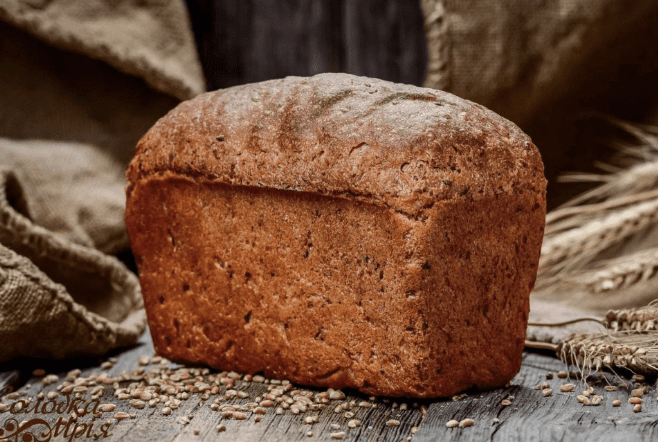
While living in Sicily, young Mary Corkling discovered how healthy the locals were. It extremely surprised her because the British were lagging behind in terms of health. That tendency was due to the fact that Sicilians ate brown whole-grain bread.
The local culture and healthy lifestyle touched her to the core. Therefore, while in Sicily, she formed a stable civic and social position in addition to creative skills. Having returned to Manchester, she decided to sell all her jewellery and used the proceeds to fund an experiment aimed at weaning the city’s residents off the popular white wheat bread.
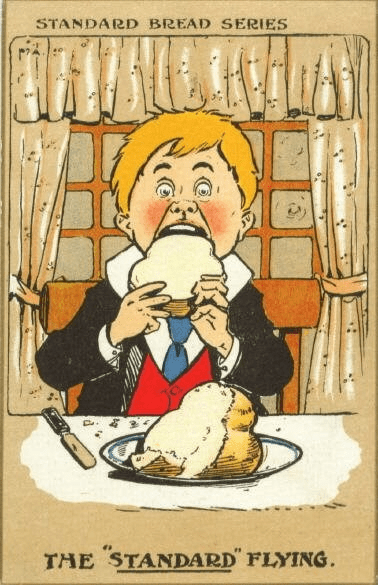
That initiative led to the creation of the Bread Reform League in Kensington Town Hall in 1880. Mary became the leader of the organisation.
It should also be noted that Mary Corkling didn’t use her real name in her public activities but the pseudonym May Yates. It was considered indecent for the women of the Corkling family to become a public figure.
During the 1890s, Corkling actively spread information about the benefits and advantages of eating brown bread. Other women of Manchester took up the trend, spreading it via lectures and pamphlets.
Soon, Corkling’s social activities led to the decision to become a vegetarian. She was even appointed secretary of the London Vegetarian Society.
Then Mary Corkling’s organisation, the Bread Reform League, merged with the London Vegetarian Society. Throughout her life, Mary promoted the benefits of eating whole-grain products and vegetarianism but condemned alcohol and white bread.
She actively promoted vegetarianism, speaking out about it in various cities and countries. Mary Corkling tried to talk about humanity’s obligations to animals in every possible way. In 1901, she became the head of the Women’s Vegetarian Union.
At the beginning of the 20th century, Mary Corkling continued to relentlessly promote the idea of giving up white bread. She even published informative articles on the benefits of eating whole-grain bread in The Graphic. However, when the First World War came upon Great Britain, the implementation of her idea was endangered, as it became many times more difficult to promote it in wartime.
The people of Manchester didn’t switch to eating brown bread completely, but Mary Corkling made a significant contribution to its popularisation and promotion of its benefits.
Mary Corkling has gone down in British history as a talented artist and reformer of the food industry.