

Racism is a global social problem that has been rooted in society since ancient times. Despite the progress people have made in the promotion of human rights and equality in the 21st century, the problem of racism remains open. People all over the world continue to encounter it. For many decades, there was an active fight against racism around the globe. One of the main Manchester representatives of this movement was Louise Da-Cocodia. Do you know the life story of this prominent resident of Manchester? Learn more at manchesterka.com.
What is racism?
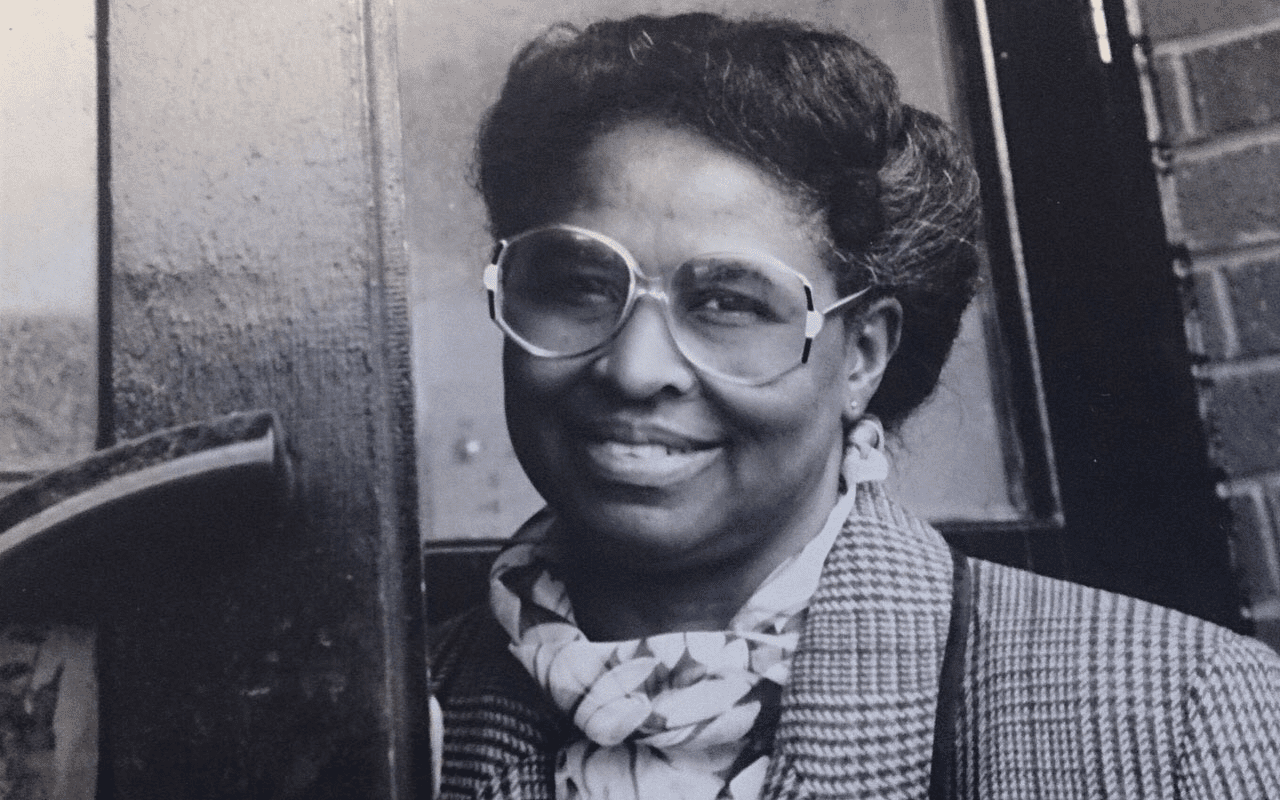
Racism isn’t just a concept, it is a whole political ideology of discrimination against a person based on their biological characteristics, such as the colour of skin and hair, its structure, facial features, physique, etc. This ideology has been forming for many years and is primarily based on historical superstitions. It was influenced by a whole century of colonisation and slavery.
However, it takes even more time to overcome racism. After all, we didn’t manage to fully eradicate it from the social consciousness even in the 21st century. Manifestations of racism are still widespread. Today, this problem is often manifested in a more insidious way via systemic racism, microaggressions, etc. Louise Da-Cocodia actively fought against racism back in the 20th century in Manchester. What were her achievements?
Briefly about the life of Louise Da-Cocodia
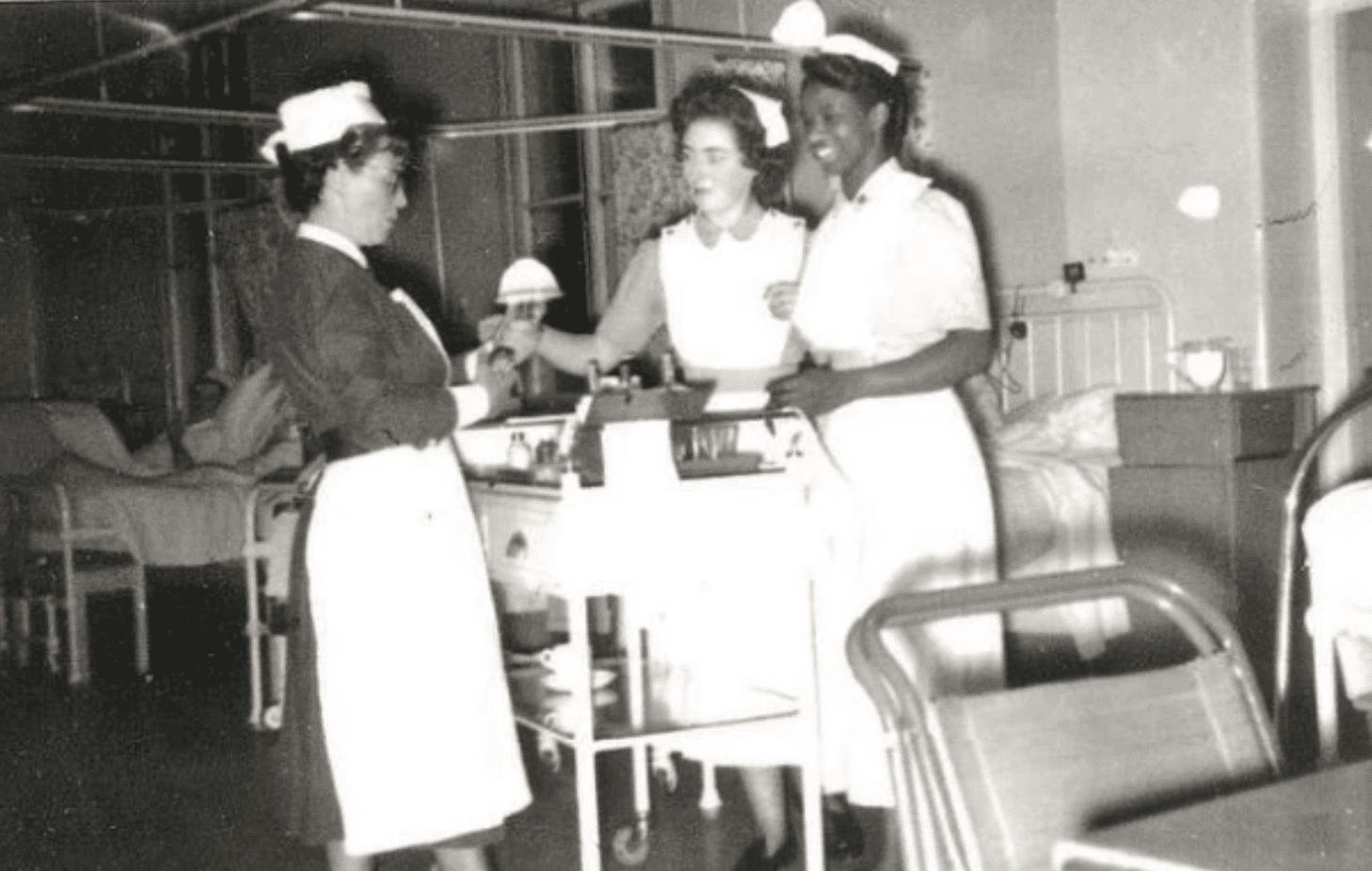
Louise Da-Cocodia was born in Jamaica in 1938. At the age of 17, the girl moved to Great Britain to get medical education. However, as a black girl, she faced many problems, including racism, discrimination, violation of rights and others. All of this motivated her to start the anti-racism movement.
Louise came to Great Britain on a special invitation from the National Health Service. There, she trained as a nurse and qualified in 1958. Throughout her training, she repeatedly experienced aggression, discrimination, inequality and racism from other people, both white men and women, colleagues and patients. It was very difficult for her to cope with such an onslaught, but despite all the troubles, she confidently continued her education. Of course, not everyone in mid-20th century Manchester was racist, but the majority supported this ideology. For people who had the “wrong” skin colour, hair or facial features, it became a serious problem. It simply spoiled their lives and took away the privileges that other people had. For Louise, it became the reason to found a movement to fight racism.
Despite the difficulties caused by racism, she was appointed Assistant Superintendent of District Nurses in 1966. This promotion made Louise the first black senior nurse in the Manchester area. It was an incredible achievement and meant a lot to her. Still, even at a high position in the hospital, Louise continued to face racist remarks and ridicule. Dark-skinned people continued to be treated as inferior.
Fighting racial discrimination
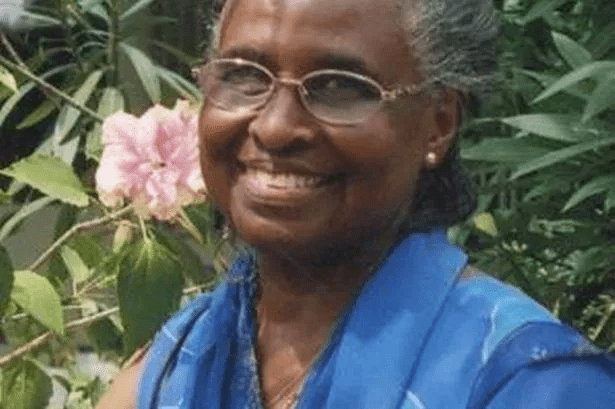
In the 1970s, Louise continued her career serving on regional Race Relations Board committees (the Commission for Racial Equality). There, she handled complaints filed by the predominantly dark-skinned community under new anti-discrimination laws, namely the Race Relations Act 1965.
Having gained experience in a hospital, she decided to share it by writing an article about the effects of racism in patient care. The article was published in the International Journal of Social Psychiatry in 1984.
Louise was also a lay inspector of the Crown Prosecution Service and a Justice of the Peace. From 1990, she worked in the Manchester Magistrates’ Bench and in 1999, she was appointed Deputy Lieutenant of Manchester. The fight against racism became the meaning of her life. Taking every position, she always sought to ensure equal rights and conditions for all residents of Manchester in such spheres as housing, education and employment. She wanted to do everything to make the dark-skinned people of Manchester feel at home.
Louise’s public stance was stable throughout her life. She was also a founder and director of such Manchester organisations as the Cariocca Education Trust, Arawak Walton Housing Association, Moss Side and Hulme Women’s Action Forum and the Agency for Economic Development in Manchester. Each of them contributed to the anti-racism movement.
Educational programmes were also one of the main initiatives to combat racism. They raised awareness and understanding of the racial issues facing Manchester’s dark-skinned community. Louise believed that education was a key tool for change. She sought to challenge entrenched social stereotypes about dark-skinned people through workshops and community events.
In addition, Louise worked to ensure that dark-skinned people had more opportunities to speak out against racism. She created special organisations, providing a safe space for open conversations.
For her outstanding efforts in the anti-racism movement, Louise Da-Cocodia was awarded an MBE for services to the people of Manchester in 2005. Louise passed away in 2008, at the age of 73.