

Domestic violence is a widespread issue in many parts of the world, and unfortunately, Manchester is no exception. The 21st century has brought increased attention to this problem, highlighting its scale and the methods needed to combat it. Next on manchesterka.com.
The Scale of the Problem

Domestic violence is an issue that has long been kept in the shadows. For decades, people endured abuse within their families, including physical, emotional, and psychological violence. However, with Manchester’s societal development, it has become increasingly difficult to remain silent. Public discussions and awareness campaigns have significantly brought the issue to light.
Unfortunately, the statistics for domestic violence in Manchester in the 21st century are alarming. Reports from organizations aiding victims of domestic violence reveal that one in three women and one in six men experience domestic abuse at some point in their lives. In 2020 alone, Manchester Police registered over 50,000 cases of domestic violence. Tragically, this number grows yearly. Moreover, the COVID-19 pandemic in 2020 exacerbated the situation. Lockdowns trapped many victims with their abusers, making it more difficult to seek help.
Who is Affected by Violence in Manchester?

According to data provided by Manchester Police and anti-domestic violence organizations, victims are not limited to women and girls, as is commonly believed. Victims of domestic violence come from all walks of life—women, men, the elderly, and children. However, statistical data shows that women suffer the most from domestic violence in Manchester in the 21st century. Women aged 16 to 24 are at the highest risk. Additionally, children witnessing domestic violence experience profound psychological effects, requiring urgent intervention to prevent long-term emotional and behavioral problems.
Domestic Violence Statistics in Manchester
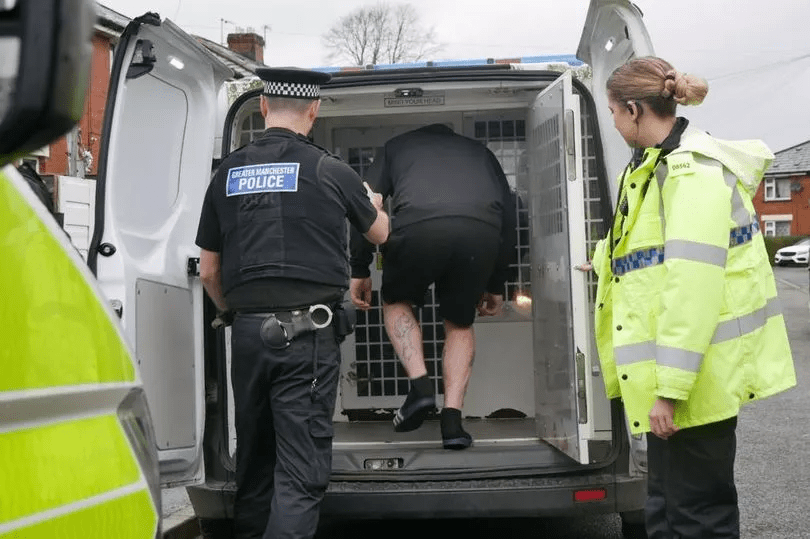
In 2023, Manchester recorded the highest number of domestic violence victims in its history, according to the Ministry of the Interior. Over 67,000 domestic violence-related crimes were registered by Manchester Police in 2023, compared to 64,000 in 2022. This marks the highest figure ever recorded in Manchester’s domestic violence monitoring history.
Police data shows that only 6.8% of domestic violence crimes resulted in charges or court summonses. Why do abusers remain unpunished? Lucy Hadley, policy director at “Women’s Aid,” explains that most victims still remain silent about their experiences. Additionally, mistrust in authorities and the police, particularly among those who feel their complaints will not be believed or acted upon, further deters victims from reporting abuse. Fear of retaliation from their abusers is another significant factor.
Forms of Abuse
In 21st-century Manchester, domestic violence is not limited to physical abuse. Many victims seek help for emotional, psychological, financial, and even sexual violence. Emotional abuse often involves manipulation, threats, and constant criticism of the victim. The actions and words of emotional abusers can be as damaging as physical violence. Financial abuse traps victims in economic dependency, as abusers control their access to money. Understanding all these forms of violence is essential to providing comprehensive support.
Support for domestic violence victims in Manchester is available at the “Pankcrest” Centre. Additionally, Manchester Police carry out awareness campaigns and initiatives to combat domestic violence in the region.
Key Objectives for Addressing Domestic Violence
Organizations supporting domestic violence victims in Manchester aim to achieve four primary goals during the 2020s:
- Improving the quality of services for victims;
- Holding more perpetrators accountable;
- Reducing repeat victimization;
- Increasing trust in reporting violations.
Despite existing support systems and police efforts in Manchester, domestic violence remains a pressing issue. Many victims refrain from reporting abuse due to fear, shame, or a lack of trust in authorities. Raising public awareness and educating communities about domestic violence remains a critical challenge. Safe spaces and resources for victims must be developed where they can seek help without fear. Only through collective societal and governmental efforts can we hope to reduce violence and create a safer environment for all citizens.
Source:
- https://www.gmp.police.uk/news/greater-manchester/news/news/2023/june/gmps-commitment-to-tackling-domestic-abuse-highlights-66-percent-increase-in-arrests-over-last-12-months/
- https://www.wigantoday.net/news/crime/record-number-of-domestic-abuse-offences-recorded-in-greater-manchester-last-year-4428540
- https://www.manchestereveningnews.co.uk/news/greater-manchester-news/number-domestic-abuse-cases-rapidly-26627394