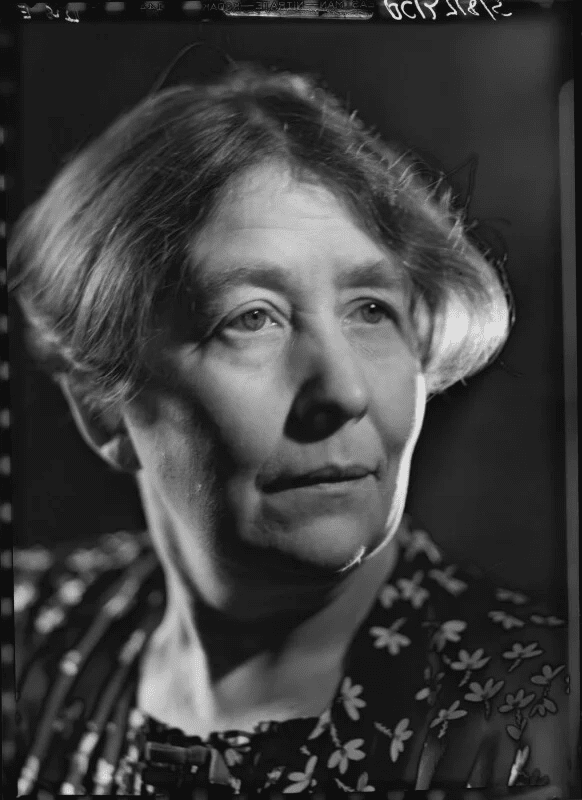

Sylvia Pankhurst is the daughter of the famous women’s rights activist Emmeline Pankhurst, who followed in her mother’s footsteps. Sylvia became famous in Manchester and far beyond its limits thanks to her feminist, socialist and writing activities. In addition, she criticised the Bolshevik dictatorship and actively supported Irish independence. Sylvia’s personality and life path are very multifaceted, deep and incredibly interesting. Learn more about it at manchesterka.com.
Early years of the future activist
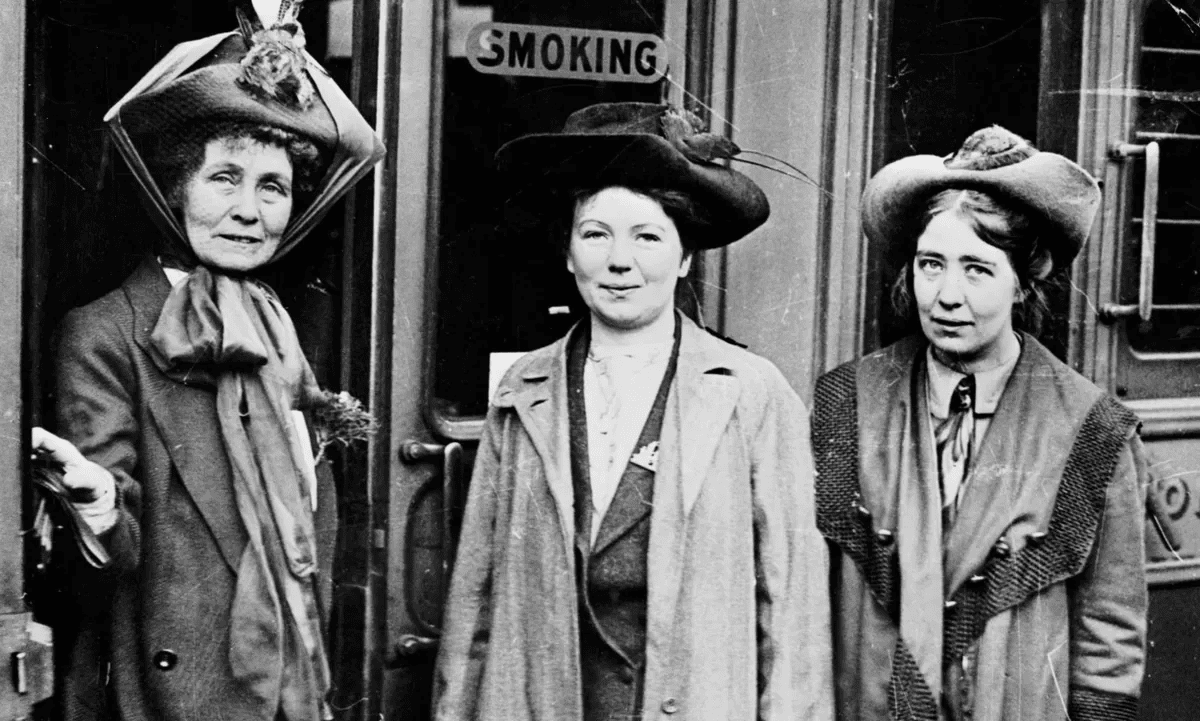
The future activist Sylvia Pankhurst was born in Old Trafford, Manchester, in 1882. She grew up in a family with deep political and social principles. Her parents’ views were very far-sighted and differed from those of other people. In particular, her parents actively campaigned for women’s suffrage for many years, which undoubtedly influenced the young girl. Even at an early age, she understood the importance of fighting for one’s rights, for suffrage, access to education, to control one’s own property and receive income, etc. All of this prompted her to continue the activities of her parents in the movement for women’s suffrage.
Gender challenges and activism
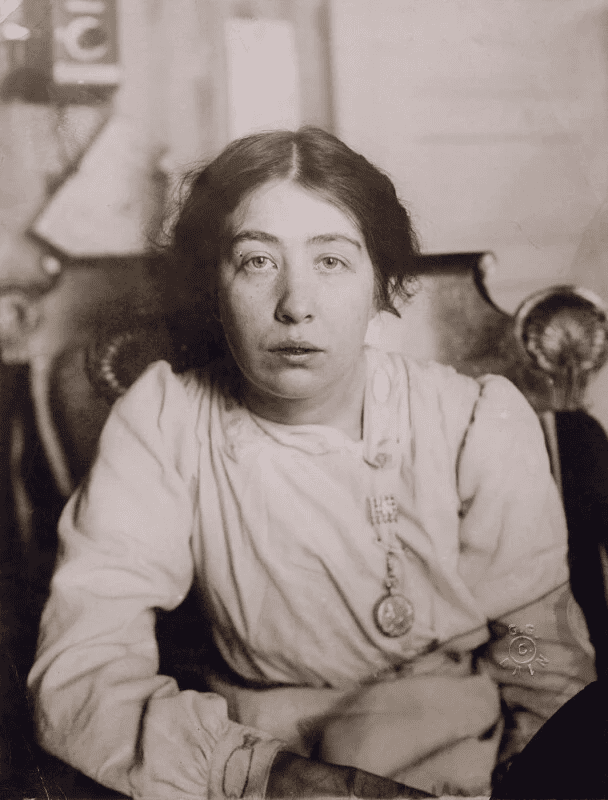
In addition to Sylvia, two more daughters, Christabel and Adela, were brought up in the Pankhurst family. Sylvia and her sisters attended an all-girls high school in Manchester and after graduating, entered the Manchester School of Art. While studying there, she repeatedly encountered inequality and sex discrimination. One such case happened while painting murals in the public hall. Sylvia drew attention to the fact that the hall was named after her father, an activist and fighter for equality, but women weren’t allowed to enter it. Sylvia was deeply outraged by such rules and together with her sister decided to organise a space for women.
Sylvia encountered another discrimination in 1904 when she won a scholarship to the Royal College of Art. In particular, she was indignant that the annual college scholarship could be awarded to only three women and 13 men.
In 1903, Sylvia’s sister Christabel founded the Women’s Social and Political Union. In 1906, Sylvia joined this organisation and actively worked together with her sister and her mother. They actively promoted the idea of giving women the right to vote via various leaflets, banners, posters, rallies and speeches. They also decorated meeting halls to draw public attention to their movement.
Sylvia also travelled to various cities in England and Scotland as part of the Women’s Social and Political Union activity. During those trips, she visited many factories and businesses, where she painted portraits of working-class women.
However, Sylvia’s work didn’t end there. She decided to expand the activities of the movement and went on a lecture tour to the United States. Arriving in the USA, Sylvia saw that the working and living conditions of women in the New World were no different from the Old one. She also visited different US enterprises and talked with women about her experiences in British factories, workshops, houses and prisons. She talked about the application of Frederick Taylor’s Principles (treating workers like cogs in a machine) and the criminalisation of African Americans. Those problems were relevant to the residents of the United States as well, so Sylvia found huge support there.
Sylvia during the First World War
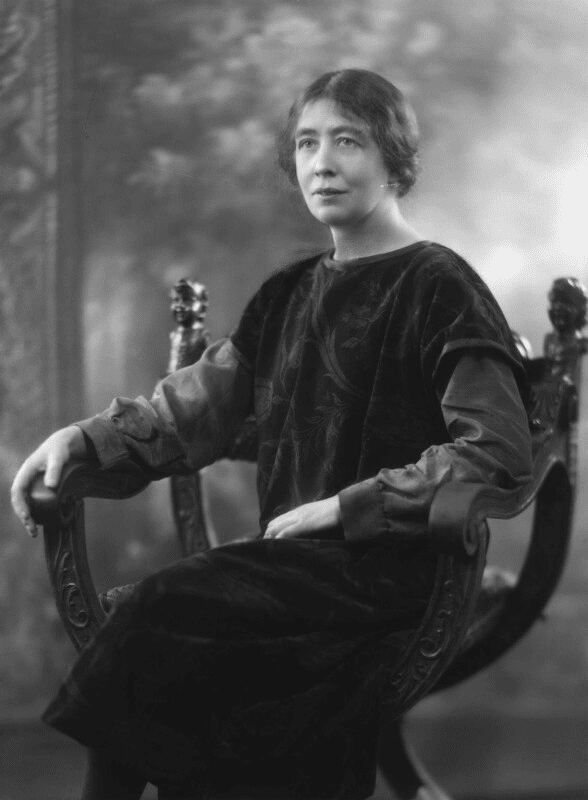
Sylvia Pankhurst was a pacifist and her anti-war sentiments led to the temporary remission of the suffragette movement. In particular, she strongly opposed the First World War. Due to her anti-war stance, she was even expelled from the Women’s Social and Political Union. In response, she founded the East London Federation of Suffragettes and continued to focus on women’s rights, as well as other social issues such as poverty and workers’ rights, which she repeatedly encountered in England, Scotland and the US cities.
Left Communist
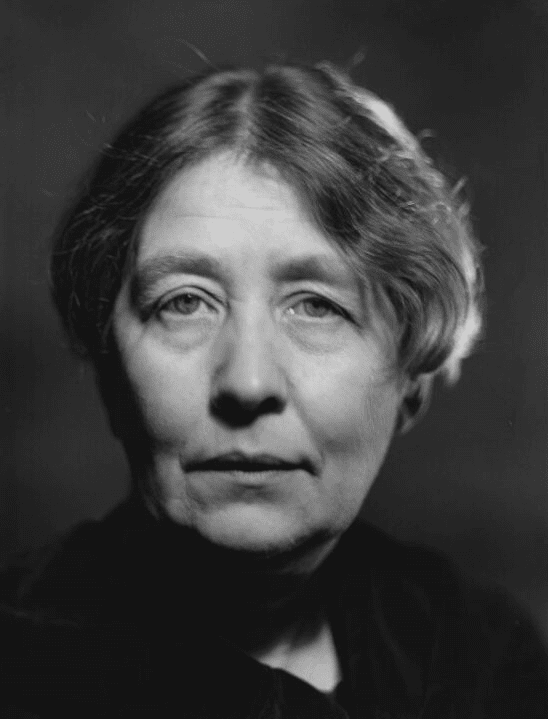
The first law, which partially allowed women the right to vote, was passed in 1914. After that, Sylvia became more actively involved in leftist and socialist causes. She became critical of the suffragette movement activities and began to support socialist and communist ideology.
In particular, Sylvia was associated with various socialist and communist groups and was active in the protection of workers’ rights as well as anti-fascism and anti-imperialism.
At first, she welcomed the Russian Revolution and even travelled to Moscow for consultation with Lenin. However, soon, she rejected his views and criticised the Bolshevik dictatorship as a supporter of workers’ rights.
She also actively campaigned for the Irish War of Independence and after the Italian invasion of Ethiopia in 1935, Sylvia devoted herself to this issue. There, she spent the rest of her life after World War II as a guest of the restored Emperor Haile Selassie.
Sylvia had an incredibly eventful life and fate. She took an active part in various movements and contributed to them. Undoubtedly, she went down in history as one of the most outstanding figures in Manchester.