

Dame Kathleen Ollerenshaw was a brilliant mathematician, influential politician, and tireless advocate for education, leaving an indelible mark on Manchester’s history. Known for her sharp intellect and deep commitment to public service, she served as Lord Mayor of Manchester from 1975 to 1976 and acted as an education advisor to Margaret Thatcher’s government during the 1980s. Kathleen’s groundbreaking work in mathematics and her transformative contributions to public life remain celebrated to this day. Next on manchesterka.
Early Life of Kathleen
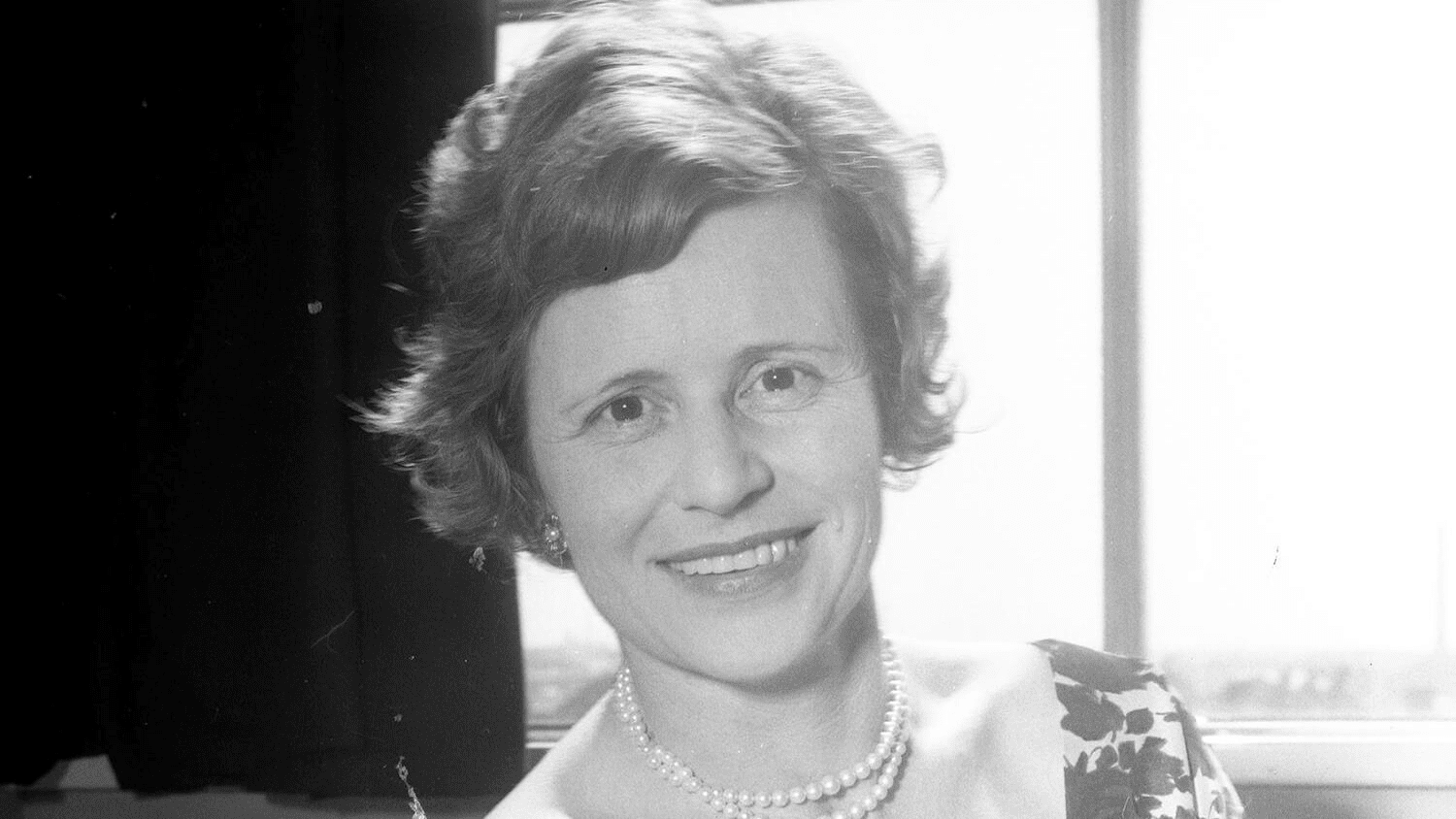
Born Kathleen Mary Timpson in 1912 in Manchester, she came from a well-off family with strong ties to the local business community. Her grandfather founded “Timpson,” a shoe repair and retail company, after moving to Manchester in the 1870s.
Kathleen’s passion for mathematics emerged early during her time at Lady Barn House School. Her natural talent for numbers, coupled with encouragement from the school’s headmistress, Miss Jenkin Jones, set her on a path of academic excellence. During her school years, she met her future husband, Robert Ollerenshaw, who later became a pioneering military surgeon and medical illustrator.
After attending St Leonards School and the Sixth Form College in St Andrews, Kathleen enrolled at Somerville College, Oxford, at 19. Her passion for mathematics flourished, leading her to earn a doctorate in 1945 on “Critical Lattices.” Despite the challenges faced by women in higher education at the time, Kathleen excelled, producing five original research papers that secured her Ph.D. Her success was remarkable in a field that was, at the time, dominated by men.
Kathleen married Robert Ollerenshaw in 1939. The couple had two children, Charles and Florence, and shared a strong partnership, even as Kathleen navigated the challenges of academia and family life.
Mathematical Achievements
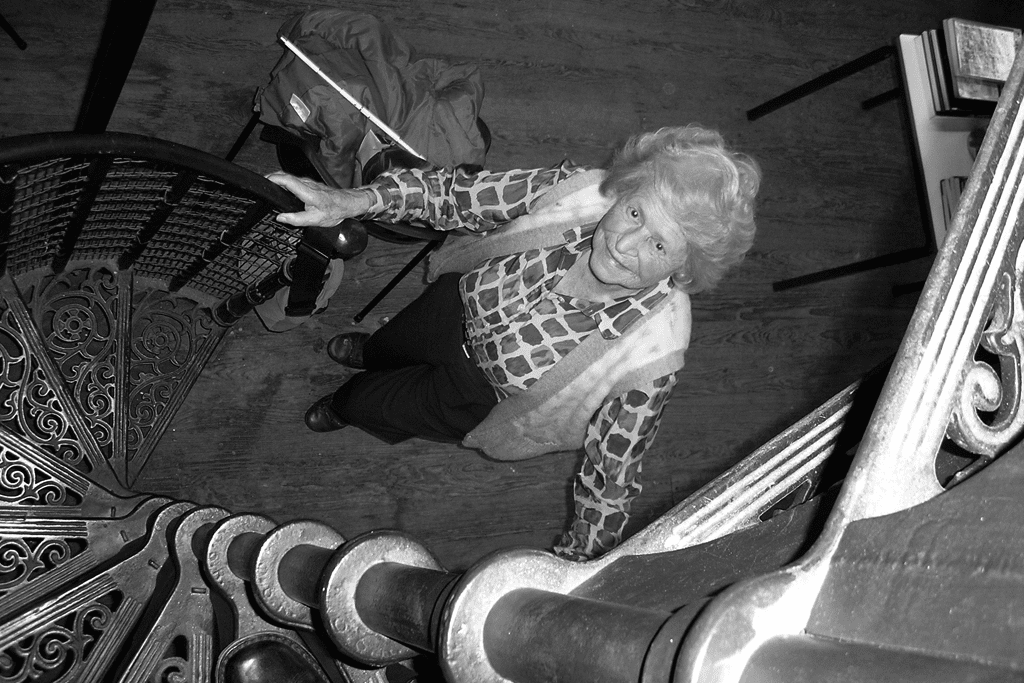
Kathleen’s lifelong dedication to mathematics was marked by her groundbreaking research and ability to explain complex ideas. After World War II, she returned to Manchester with her family and began teaching part-time at the University of Manchester. Her research focused on lattice theory and later expanded to include magic squares, a field that became her enduring passion.
Magic squares, grids of numbers where each row, column, and diagonal yields the same sum, had fascinated mathematicians for centuries. Kathleen’s work in this area resulted in new insights and classifications, earning her international recognition. Her most notable publication, “Most Perfect Pandiagonal Magic Squares: Their Construction and Enumeration,” became a seminal work in the study of combinatorial mathematics.
Kathleen’s discoveries opened up new perspectives in mathematics and inspired further research into these numerical puzzles. Her contributions established her as one of the leading minds in this specialized field.
Public Service and Leadership
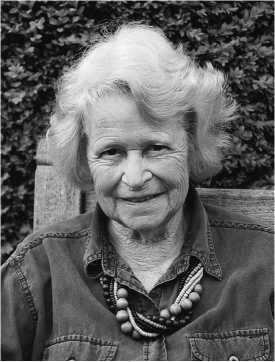
Beyond her academic career, Kathleen dedicated herself to public service, becoming a transformative figure in Manchester’s civic life. Her political journey began in 1954 when she joined the Conservative Council in Rusholme. Over the next two decades, she served in various key roles, including:
- Lord Mayor of Manchester (1975–1976)
- High Sheriff of Greater Manchester (1978–1979)
- Membership in the city’s Finance and Education Committees
Kathleen was instrumental in founding the Royal Northern College of Music and played an active role in shaping education policy in the UK. Her work as an education advisor to the Thatcher government in the 1980s helped improve access to learning opportunities, particularly for underprivileged students. Her dual dedication to mathematics and education showcased her determination to make knowledge accessible to all.
A Legacy of Resilience and Inspiration
Kathleen’s life was a testament to resilience, intellect, and service. She overcame the challenges of living through two world wars, a personal tragedy involving a miscarriage, and societal barriers that limited women’s participation in mathematics and politics. Despite these hurdles, she built an extraordinary legacy as a scholar, public servant, and role model.
Kathleen passed away in 2014 at the age of 101, leaving behind a remarkable legacy. Her contributions to mathematics and public life continue to inspire, ensuring her place among Manchester’s most celebrated figures.