

The 20th century was a difficult period for representatives of non-traditional gender or sexual orientation. For a long time, many people kept their identity in the strictest secrecy because of the fear of being judged by the public and not being understood. However, Julia Grant changed the situation. She became the first transgender activist in the territory of Manchester to openly talk about her life’s journey to transgenderism. Her story is incredibly interesting and fascinating, she became an example for many people. Moreover, she laid a good foundation for the further expansion of the feminist movement. Learn more at manchesterka.com.
The life story of Julia Grant
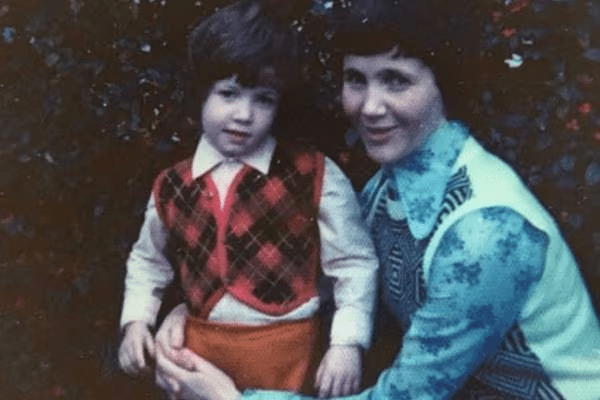
Julia was born in Fleetwood in 1954 and started life as George Roberts. She was one of eight children in the family and had a very difficult childhood. Julia’s parents were terrible drunkards. Her mother even tried to commit suicide several times and her father tried to rape her when she was still a child.
Being one of the oldest children, Julia often had to take care of her younger siblings while her parents were drunk. The girl spent some of her childhood years in an orphanage. In her teenage years, Julia decided to engage in prostitution. She (George) did it with men and explained that it was the cry of the soul from the lack of parental love.
An interesting fact from Julia’s life is that she constantly spent all the money she earned from prostitution on sweets.
Julia’s path to transgenderism
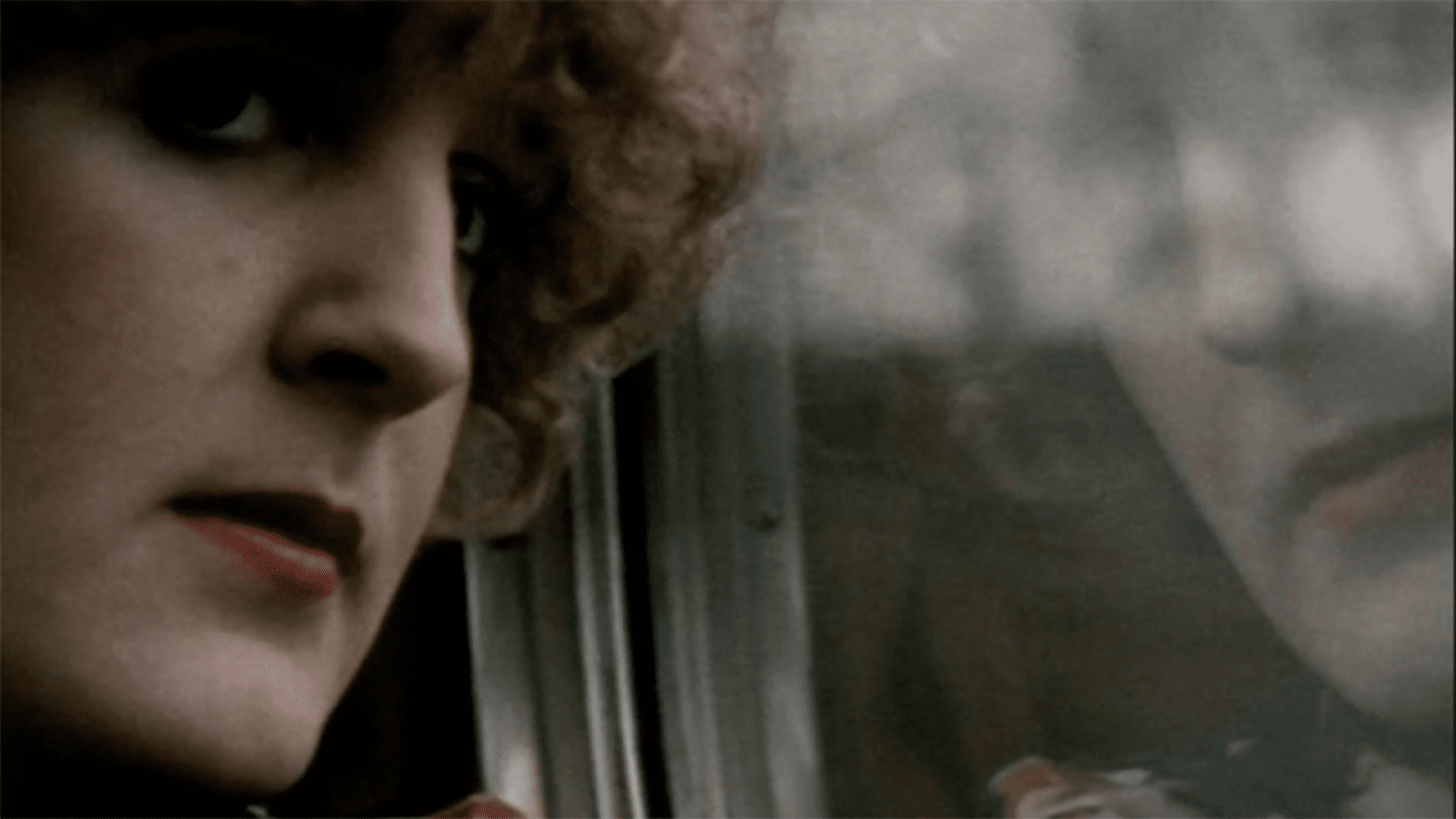
In the 1970s, Julia realised that her marriage and her life were failing, so she decided to move to London and start it over. There, she earned a living by performing in gay clubs as a drag queen. Julia performed Edith Piaf’s song Non, je ne regrette rien to the soundtrack. While working there, Julia realised that she wasn’t a homosexual and that she wanted to live as a full-fledged woman. This is how Julia began her journey to transgenderism.
In 1978, the BBC became interested in Julia’s story and came up with an idea to make a film about her journey to becoming a transgender woman.
It should be noted that it wasn’t an easy decision for Julia to agree to the BBC’s offer because, at that time, the topic of no-traditional gender or sexual orientation wasn’t acceptable in society. This subject has been taboo for many years and has been perceived with superstition, misunderstanding and abuse. Therefore, many transgender people didn’t even think about living openly. However, thanks to Julia and her decision, the transgender community in Manchester has grown significantly. In addition, thanks to her, transgender people gained recognition in Great Britain.
Her journey to transgenderism, which was covered by the BBC, was aimed at better understanding and treatment of such people.
In the late 1970s, Julia began to receive treatment at the Charing Cross Hospital. It was the only hospital in the UK that dealt with transgender patients. Restructuring her lifestyle was a part of Julia’s treatment. She began to live, work and dress like a real woman. In addition, being at the hospital, she changed her name. The doctor offered her several options and she chose Julia Grant. The girl liked it, as she thought it had a Scottish touch.
The BBC tried to film every step of her transition, every consultation with a doctor or a psychiatrist, an important event, etc.
Although Julia did a good job in cooperation with the BBC, a week before the film’s release, mass media began to publish hostile articles about her. However, all those difficulties didn’t prevent Julia from becoming the woman she wanted to be.
In the 1970s, Julia took part in a ground-breaking TV documentary series A Change of Sex. Thus, she told a wide audience her story, without being ashamed or afraid of it and setting an example for others.
Further life
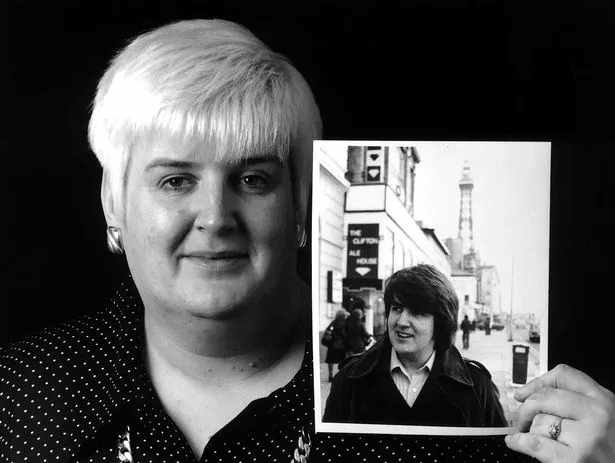
For some time, Julia lived in Manchester and actively developed the LGBT community. In particular, she opened a show bar, a cafe and several other bars in Canal Street Gay Village.
In Manchester, Julia met her partner Alan Sunderland, whom she wanted to marry. Then her former surgeon even offered her an operation to complete the transition, but the girl and her lover decided not to do it. Julia wanted to be happy the way she was. Before that, Julia and Alan received a church blessing in Manchester, so the girl was satisfied.
In addition, Julia actively fought against the reconstruction of Manchester’s Canal Street Gay Village. She also organised LGBT events. Thanks to her work, the LGBT community became more open and the public began to accept it.
Julia travelled a lot with her husband. They lived in France, Spain and the USA. After Julia was diagnosed with bowel cancer at the beginning of the 21st century, she returned to Great Britain and continued to help people like her.
During her lifetime, the girl also wrote two memoirs, namely George & Julia and Just Julia.
Her heart stopped beating in 2019, at the age of 64. Thanks to her openness and the BBC’s programme about her life, Manchester and other cities in the UK have made significant progress in accepting the LGBT community, expanding their rights and opportunities.