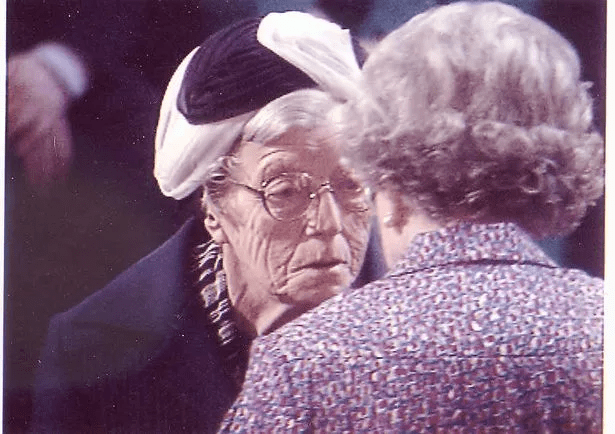

Eleanor Schill was a famous doctor of the 20th century, one of the first female doctors not only in Manchester but also in the whole of Great Britain. She was also known as Mrs Sykes. She dedicated her medical career to the poor communities of Manchester and was appointed MBE for her efforts. She grew up and built her career in an era when women in medicine were a rare phenomenon as well as were actively criticised and questioned. Despite those obstacles, she became one of the first female doctors in the UK, paving the way for future generations of women. In this article, we will tell you the story of Eleanor Schill, her path to medicine and her contribution to this field. Learn more at manchesterka.com.
Born in Manchester

Eleanor Schill was born in Withington Hall (one of the most iconic and prestigious houses in Manchester at the time) in 1904. As you might have guessed, Eleanor grew up in a fairly wealthy family. In particular, her parents were quite famous local philanthropists. They invested their money in various urban projects, including the construction of new premises and housing. Her father was from a respected family of merchants. They were partners in the famous Manchester company Schill, Seebohm & Co. Her mother came from a family of famous local doctors. So, it wasn’t surprising that the young girl decided to connect her future life with medicine.
Introduction to medicine
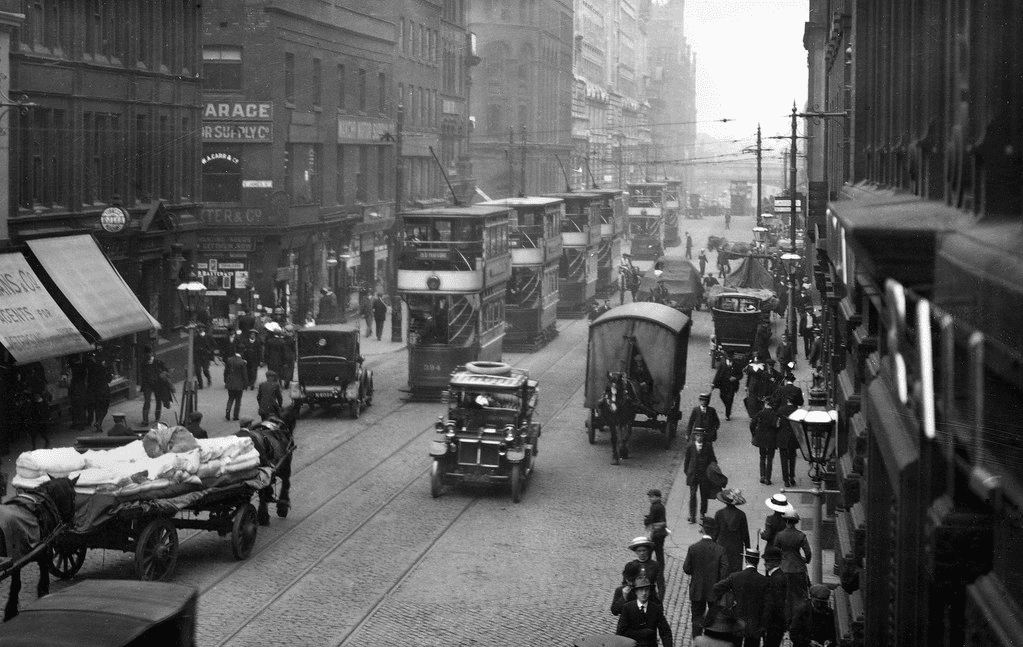
From a young age, Eleanor Schill showed insatiable curiosity and a keen interest in science. She was very inspired by her parents’ activities and wanted to follow in their footsteps. She studied with unprecedented enthusiasm, which distinguished her from her peers. At a time when higher education for women was still a controversial issue, Schill’s academic achievements were remarkable. She studied at Bedales School and then won a place at the Victoria University of Manchester. There, she began studying medicine and became one of the first female doctors to train there. Eleanor Schill received a diploma in Psychological Medicine.
The late 19th century and early 20th century was a difficult period for women in medicine. Medical schools were predominantly male and many institutions categorically refused to accept female students. She wasn’t accepted and even criticised. Nevertheless, Schill didn’t give up and continued to study diligently.
Practical medicine
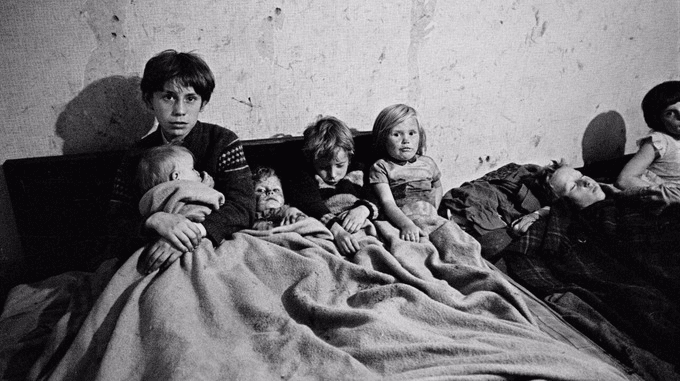
After obtaining a medical education, Eleanor Schill immediately began her medical practice. In a short time, she declared herself as a highly qualified, understanding and sensual doctor. She was dedicated to improving the health and well-being of her patients. At first, she focused on general practice, treating a wide range of conditions and providing much-needed healthcare to the local community.
It should be noted that Schill had a rather long-lasting career. She was a general practitioner, a medical worker in several educational institutions, and a psychiatrist. She sought to help the sick residents of Manchester in every possible way.
For some time, Eleanor worked at St Mary’s Hospital in London. She took care of sick children there.
When the Second World War began, Dr Schill moved to Cheshire, where she was a general practitioner. She also worked in Derbyshire for some time, as Manchester was constantly bombarded by Nazi Germany. During the evacuation, Schill became a school doctor at Penrhos College and a boarding school for girls in North Wales.
When World War II was over, Eleanor returned to Manchester. There, she continued to develop her medical practice actively. She spent the first post-war years in Manchester working as a school doctor at Manchester High School for Girls. After some time, she became the Medical Officer for Women Students in the Department of Education at the University of Manchester. She slowly but surely climbed the career ladder, even though such growth in healthcare was unheard of for women. Throughout her career, she encountered challenges related to gender, prejudice and mistrust from her male colleagues. But patients loved Dr Schill for her kindness, sensitivity, understanding and support. Schill had a major breakthrough in his career in 1957. Then she was appointed Assistant Psychiatrist at Withington Hospital.
Charitable and public activities
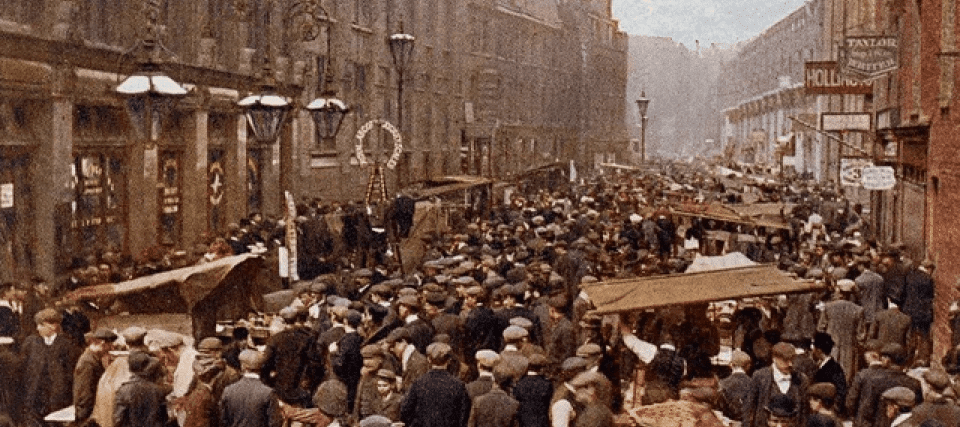
However, Eleanor Schill’s life and career weren’t just about medicine. In particular, she actively participated in public health initiatives and recognized the importance of social healthcare norms. She worked tirelessly to improve sanitation and hygiene in Manchester, advocating for improving living conditions and access to healthcare for the city’s poor. Her efforts played an important role in reducing infectious diseases and improving the general health of the population.
One of Eleanor’s most significant contributions was made in the field of maternal and child health. She recognized the high rates of maternal and child mortality and devoted most of her career to solving these problems. She provided prenatal and postnatal care to many women. It was often made in difficult circumstances and with limited resources. Her activity helped develop protocols and techniques that greatly improved the situation in Manchester.
It is also worth noting Schill’s equally important contribution to charity. After graduating from university, she became part of the committee for the McAlpine Home for unmarried mothers in Fallowfield. Thus, she began to help the disadvantaged people of Manchester. No wonder Eleanor connected her life with charity. After all her parents showed on their own example that supporting the city and the local population was extremely necessary for its further development, prosperity and the common good. Moreover, Eleanor continued the charitable activities of her parents, cooperating with
- the Manchester Girls Institute
- Ardwick Lads’ Club
- the playing fields committee
- and the board of the Norbrook Youth Club.
In addition, Eleanor Schill was one of the founders of the Marriage Guidance Council in 1939. She also served on the parole board at Styal Women’s Prison. Eleanor was an incredibly multifaceted and very interesting person. She dedicated her life to serving the people of Manchester. She took care of their health and wanted them to have proper living conditions.
Her innovative spirit extended to medical education as well. She was a passionate advocate for the inclusion of women in medical schools and worked tirelessly to support female medical students. Eleanor has mentored many young women, offering advice as they encountered the challenges of medical education. Her efforts helped break down the barriers and open doors for future generations of female doctors.
Of course, she wanted to transfer all her experience in medicine and healthcare to new generations of doctors, so she took an active part in scientific research and numerous publications. Her work covered a wide range of topics, from infectious diseases to maternal health. Her works were widely recognized among other doctors of that time. It should also be noted that Schill’s scientific research took Manchester medicine to a new level and influenced health policy and practice in general.
Eleanor Schill’s contribution to medicine was recognized by numerous awards and honours. Among the most prominent ones was the Order of the British Empire. Despite her numerous achievements, popularity and recognition in the medical field, Eleanor remained very modest until the end of her days, always emphasising that she was driven by the desire to help others and improve public health.
Eleanor Schill lived a long and rich life. She saved many people, gave hope and smiles and improved general healthcare in the city. The outstanding figure and one of the first female doctors in Great Britain passed away in 2005 at the age of 101.