

Manchester is not just about factories, mills, and football. Behind the noise of machinery and the dust of the streets, there has always been a human desire for rest and entertainment. In the late 19th and early 20th centuries, the city began to gradually change, transforming from an industrial hub into a cultural one. Manchester, known worldwide for its cotton, began to resonate with music, vibrant nightlife, and clubs. People needed a place where they could meet, dance, and simply unwind – and the city provided it. Read more at manchesterka.com.
Early Forms of the City’s “Clubs”
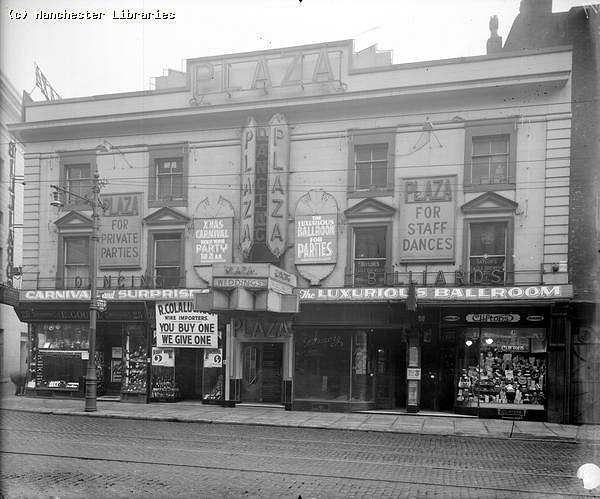
The early forms of clubs were not what we imagine in the 21st century. They were common rooms above pubs, dance halls in converted warehouses, or secret gatherings where workers could relax after exhausting shifts. Club life in Manchester was born out of a need to balance the intensity of work with joy, relaxation, and community.
From Working Men’s Clubs to Dance Halls
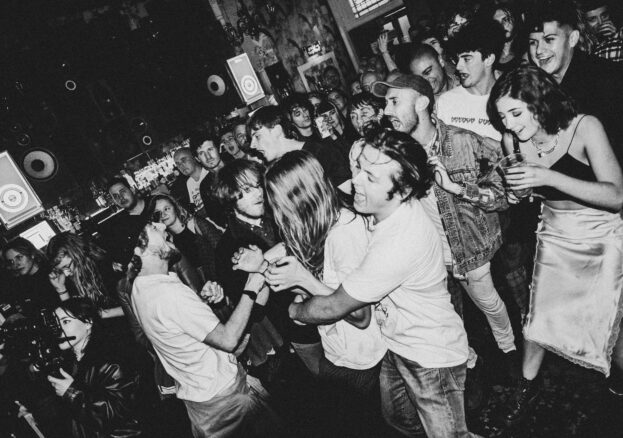
The first seeds of club life were different from today’s nightlife. These venues were not places for wild all-night parties but rather centres for education and affordable leisure for the city’s working class. Here, men would gather to read newspapers, play billiards, or listen to music. In a city plagued by poverty and inequality, such clubs offered a rare sense of dignity and belonging.
But by the 1930s, a dance craze had swept across Britain, including Manchester. Ballrooms and dance halls, such as the Ritz, which opened in 1927, became magnets for young people eager to dance to jazz, swing, and later, rock and roll. These spaces broke down class and gender barriers, fostering a more playful and liberated social life. These were the true beginnings of modern club culture – musical, youth-driven, and boundary-pushing.
The Explosive Growth of Club Life in the Mid-20th Century
A real turning point came in the 1960s and 1970s, as Manchester’s beat clubs and live music venues flourished. Places like the Twisted Wheel became truly legendary, introducing the city’s residents to American soul and R&B. These establishments were more than just places to dance and listen to music; they were spaces for self-expression. Dancing until dawn to rare vinyl records became a genuine ritual for the people of Manchester and its visitors.
The peak of nightlife popularity: from beat clubs to raves
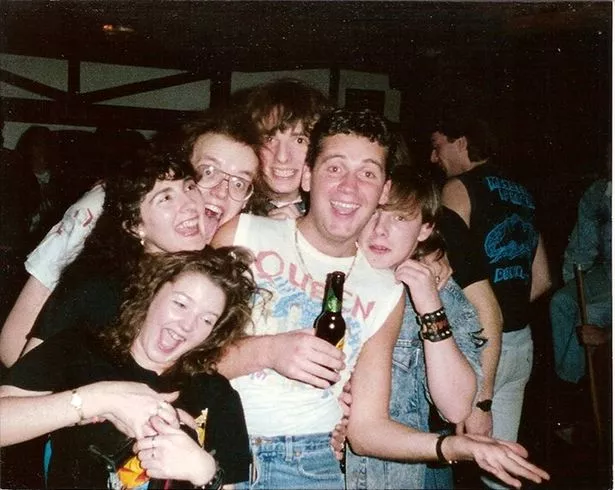
The 1980s and early 1990s propelled Manchester onto the world stage, thanks to the boom of acid house and rave culture. At the centre of this was the Haçienda, a nightclub opened in 1982 by Factory Records and New Order. The Haçienda became not just a venue or a building, but a cultural icon. Its warehouse-like structure, industrial atmosphere, and pioneering DJs turned it into the heart of the Madchester scene. For many, this was when Manchester’s club life became truly world-famous, merging music, fashion, and counter-culture into one unforgettable movement.
During that period, people began to love Manchester for more than just its football and industrial history – the city became the heart of music, fashion, and youth culture. In the late 1980s, it revolutionised the club scene, giving the world acid house and rave. These sounds and this energy became part of the city’s DNA. One only has to mention legends like Oasis, The Stone Roses, The Smiths, Happy Mondays, and New Order – their influence is felt far beyond the borders of the UK.
Before the “Madchester” era, club life here was fragmented and calm. But the new wave brought a mix of rock, psychedelia, disco, funk, and house. This culture united people from different walks of life, erasing boundaries of gender, race, and style. The dance floor became a space of freedom and equality.
And the true symbol of this change was the Haçienda. It was a time when Manchester lived and breathed music seven days a week. Instead of strict dress codes, people wore what they wanted – baggy trousers, T-shirts, and trainers. Instead of class division, there was complete unity.
The 1990s and the Haçienda carry the energy and legacy of Manchester’s revolutionary club scene.
Manchester’s Gothic Club Life and Subcultures
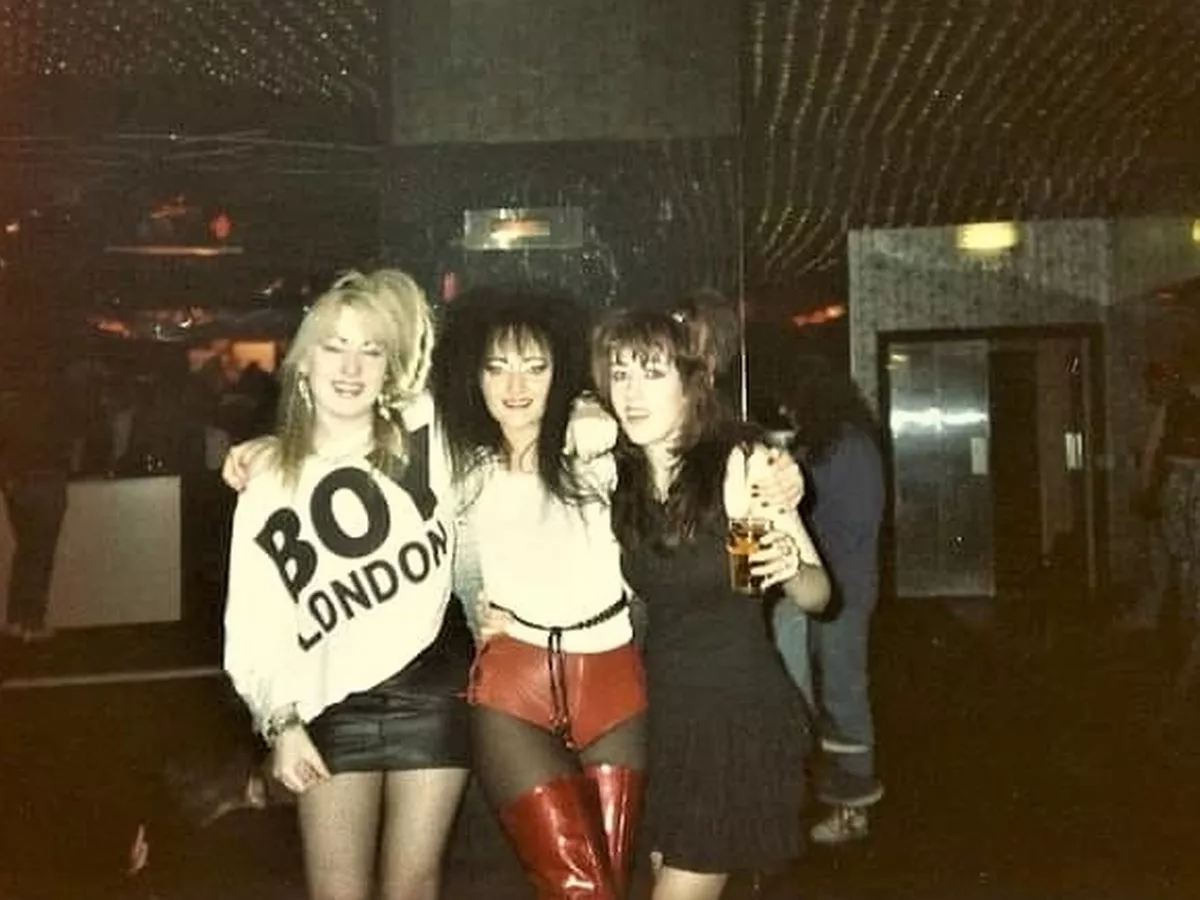
Of course, when people talk about the history of Manchester’s club life, “Madchester,” the “Haçienda,” and “acid house” come to mind. The city is often associated with raves and house music. But Manchester has another side – a rich gothic culture. From the late 1970s, it developed in parallel with punk and new romanticism, creating its own dark but alluring atmosphere. The history of the city’s gothic clubs is not just a list of venues, but a whole chronicle of a nightlife where style, music, and eccentricity were just as important as the dancing itself.
The Pips nightclub marked the beginning of Manchester’s gothic journey. It’s worth noting that in the 1970s, punk was gradually losing its edge, giving way to a mix of glam, disco, and synth-pop. It was during this time that Pips appeared on Fennel Street, a club that became the prototype for the future gothic scene. It was often called the “northern Blitz” (in reference to the iconic London club).
Pips became famous for its “Roxy Room,” where you could hear Bowie, Roxy Music, Velvet Underground, and later, electronic innovators like Depeche Mode and The Human League. This was where the music that would soon become “pure goth-rock” was played.
The atmosphere in this club was always daring: glitter, lacquered hair, androgynous looks, and homemade costumes. It was here that DJs Dave Booth and Alan Maskell – who would later become legends of the Manchester goth scene – started their careers. Pips closed in 1982, but it managed to become a symbol of the transition from punk to a new, dark aesthetic.
It should also be mentioned that in the early 1980s, one of the main spots for goths was Berlin – a club on King Street West. Like its German namesake, it was atmospheric, sensual, and decadent. It hosted the “Private Road” night – a mix of goth, punk, and psychobilly.
Berlin was a very soulful place. People would start dancing literally from the first minute. Unlike the boisterous punk clubs, a surprisingly peaceful atmosphere reigned here. Berlin closed in 1986 but left a significant mark on the history of gothic nightlife.
Placemate 7, The Playpen, Legends, Devilles, and The Ritz were part of the golden era of gothic nightlife in Manchester.
But there was one club that could be called the epicentre of Manchester’s gothic life, and that was Cloud 9. Opened opposite the Royal Exchange, it quickly became popular.
According to the memories of its patrons, Cloud 9 was a true carnival of looks: boys looked like girls, and girls like mystical creatures. Makeup was mandatory, and hairstyles were impressive in their height and shape. The dance floor transformed into a space where individuality was valued above all else. The atmosphere was incredibly energetic.
The club closed in 1986, but for many, it remains the centre of gothic culture.
Club life in Manchester flourished from the 19th century and reached its peak of popularity in the 1990s. But it is worth noting that, just as before, nightclubs in the 2020s remain hugely popular among the city’s residents and tourists. Yes, the atmosphere is no longer as extravagant as it was in the 1980s and 1990s; the makeup and costumes have become less outrageous. But nightlife in Manchester has not disappeared. It has been woven into the city’s DNA and remains an important part of it.
- https://www.bodaskins.com/blogs/stories/the-history-of-manchester-club-culture?srsltid=AfmBOop-aFTaKvLxP4UIOVYoSAxTfSrVEoK-iaLQCV0SLktOflSHxqK1
- https://www.visitmanchester.com/ideas-and-inspiration/blog/post/a-history-of-manchesters-gothic-clubs/
- https://propermanchester.com/feature/memories-of-manchesters-long-lost-but-not-forgotten-club-nights/